
WeChat is an application developed by Chinese tech giant Tencent, with over 1.4 billion monthly active users as of May 2025 and an average of more than 90 minutes spent on the platform each day. The app offers instant messaging, voice and video calls, as well as payment and social media features extremely valuable for brands looking to establish their presence in the Chinese digital ecosystem.
WeChat users manage multiple aspects of their daily lives within a single app—ranging from chatting with friends and online shopping to making payments and booking medical appointments. The variety of services offered creates an environment of ‘stickiness,’ keeping users engaged within the app’s ecosystem.
WeChat’s priority is to deliver a high-value user experience. It doesn’t merely treat users as ad consumers; instead, it encourages brands to offer added-value services through Official Accounts (OAs) and Mini Programs. These features allow brands to deliver direct services to users, fostering a more interactive and participatory form of promotion.
In the following sections, we will explore the individual features that brands can leverage to engage more deeply with Chinese consumers.

The main functions of WeChat ecosystem
The widespread adoption of WeChat has been driven by three key elements: Official Accounts (OAs), WeChat Pay, and Mini Programs. These three pillars form the backbone of its ecosystem, enabling users to enjoy a comprehensive experience that spans from entertainment to shopping.
Official Accounts (OAs): the brand’s official showcase in the Chinese market
Launched in 2012, Official Accounts (OAs) marked a significant milestone in expanding the app’s capabilities beyond messaging, giving rise to a true content ecosystem. This feature enabled entities of all sizes to create, distribute, and promote content while establishing direct interaction with their audiences.
OA content is accessible exclusively through WeChat’s internal search engine, as it is not indexed by external search engines like Baidu. Peer-to-peer sharing within the platform plays a crucial role in content dissemination, motivating creators to produce high-quality materials to encourage sharing within users’ WeChat networks.
WeChat maintains strict quality control over the platform’s content by limiting the number of posts allowed per account, ensuring high editorial standards.
Companies can choose between two types of accounts on WeChat, each serving distinct strategic purposes: Service Accounts and Subscription Accounts. Service Accounts appear to users as direct chats, similar to personal conversations. These accounts can customize their profiles with tailored menus and access advanced features such as WeChat Pay, CRM tools, Mini Programs, and paid advertising. They are allowed to publish up to four posts per month, each triggering a push notification to followers.
Subscription Accounts are geared toward news and content sharing, allowing for more frequent publishing with the option to group posts. However, they offer limited functionality and lower customization, and their content is less visible as it is stored within a subfolder in WeChat.
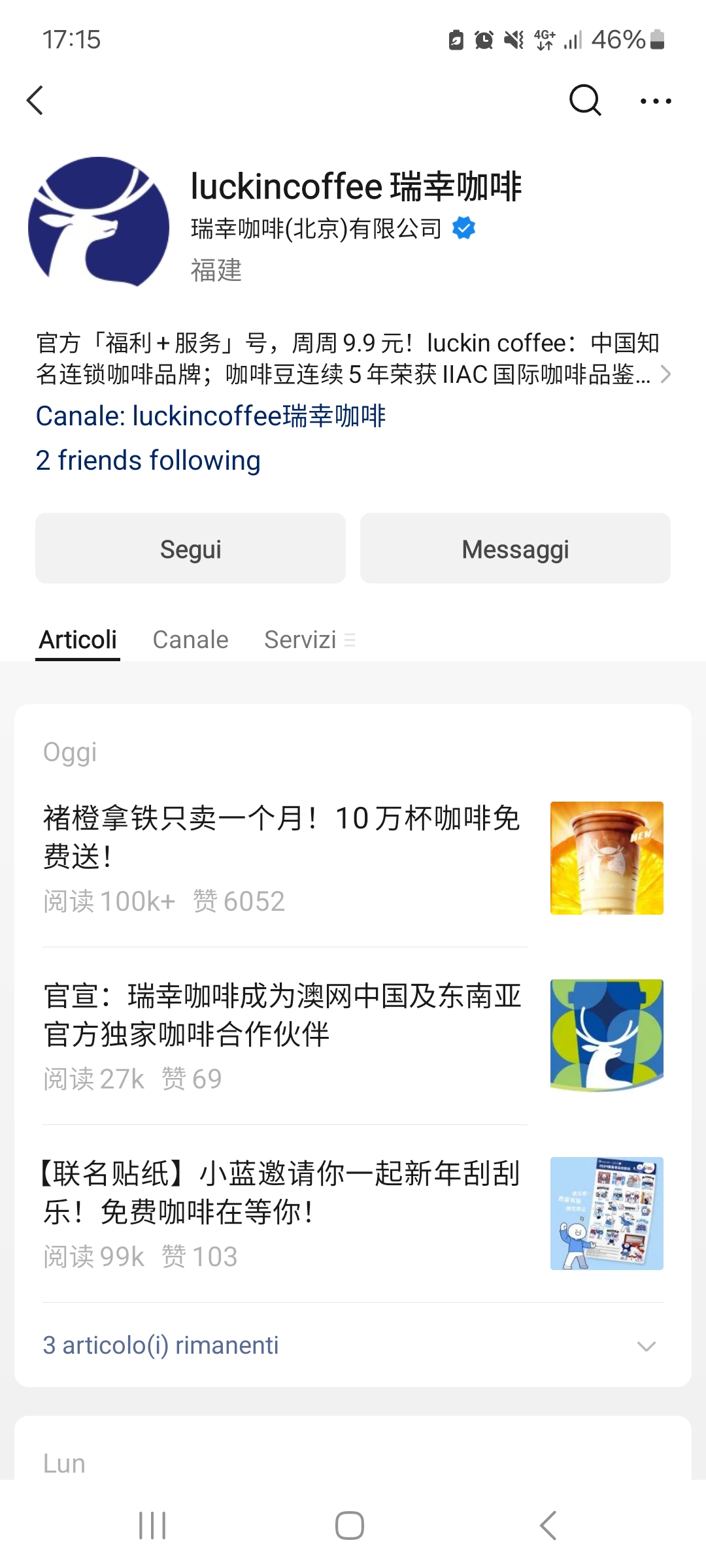
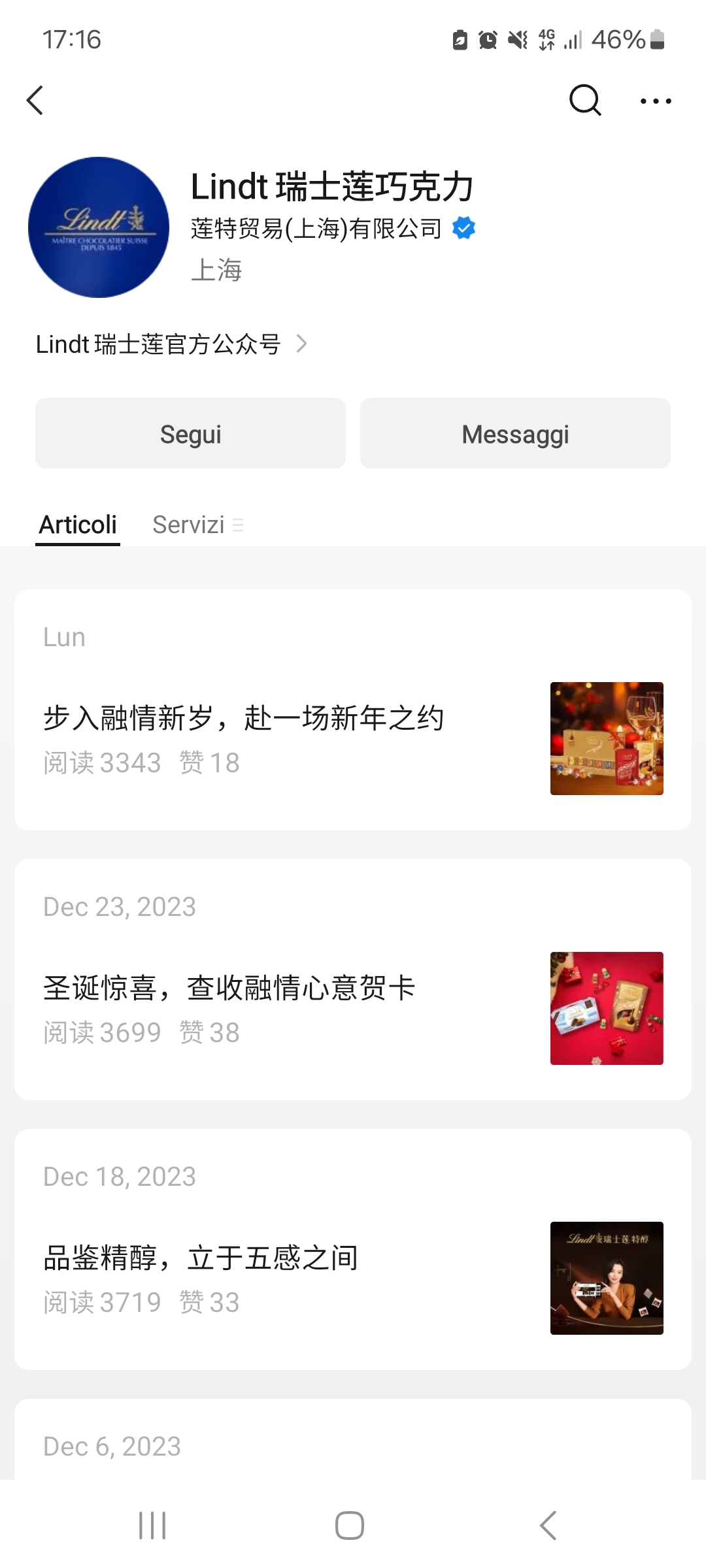
The Official Accounts for marketing
Official Accounts play a crucial role in WeChat’s marketing strategy, formalizing a brand’s presence in the Chinese market. A presence on WeChat is a key trust signal for Chinese consumers, much like how Western consumers look for a company’s website on Google. Every feature within WeChat contributes to the overall user experience, enabling brands to build ongoing relationships with customers and improve retention. The article-sharing function can be likened to a blog or newsletter.
Mini Program: a company’s app built directly within WeChat
WeChat Mini Programs were launched in 2017 as an innovative framework that allows for the creation of lightweight apps directly accessible within the WeChat interface. They offer users convenience and versatility without the need to install separate applications. These applets cover a wide range of services, including eCommerce, gaming, and public services such as transportation and medical appointments. Their usefulness and accessibility are among the key reasons for WeChat’s widespread adoption among Chinese consumers of all ages. In 2024, WeChat hosted over 6 million active Mini Programs, serving more than 1.2 billion monthly active users (MAU).
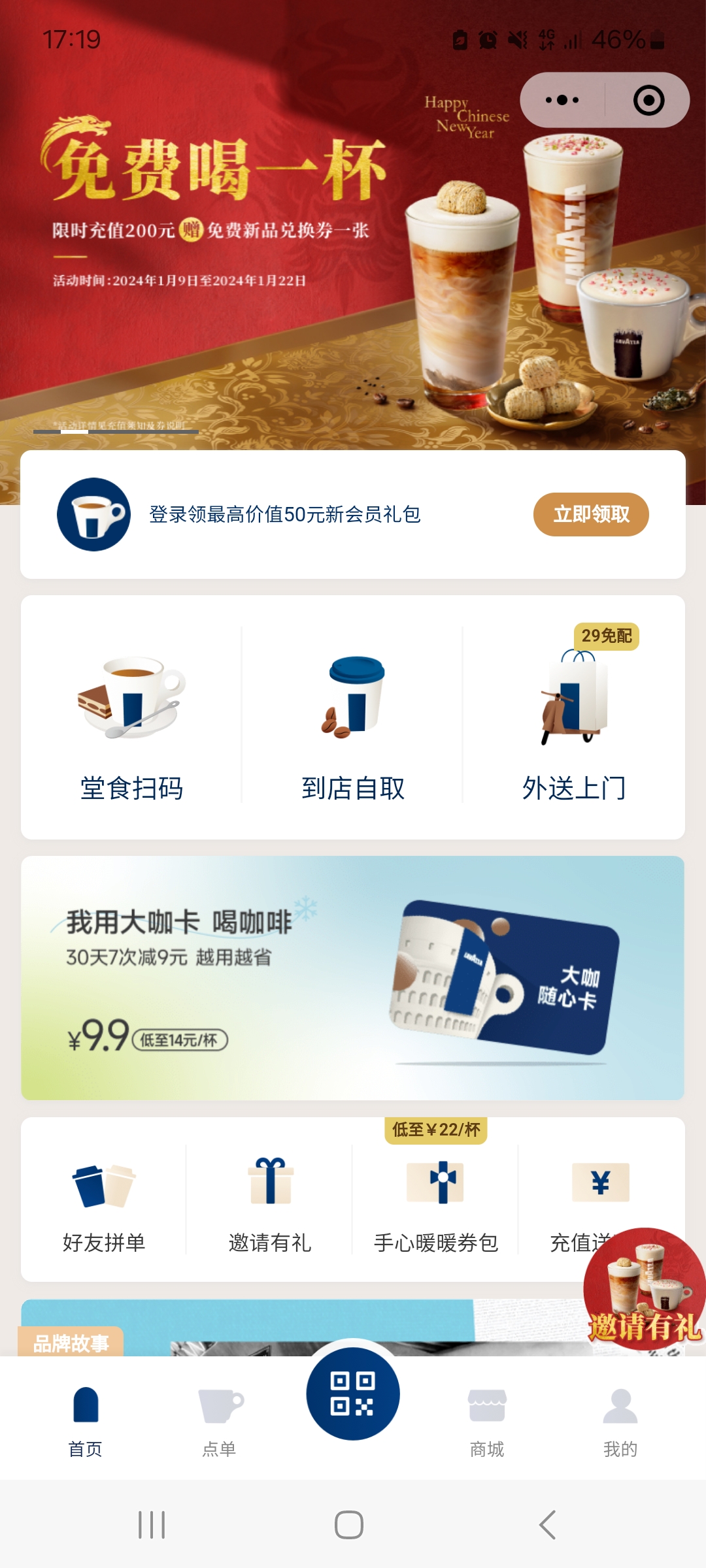
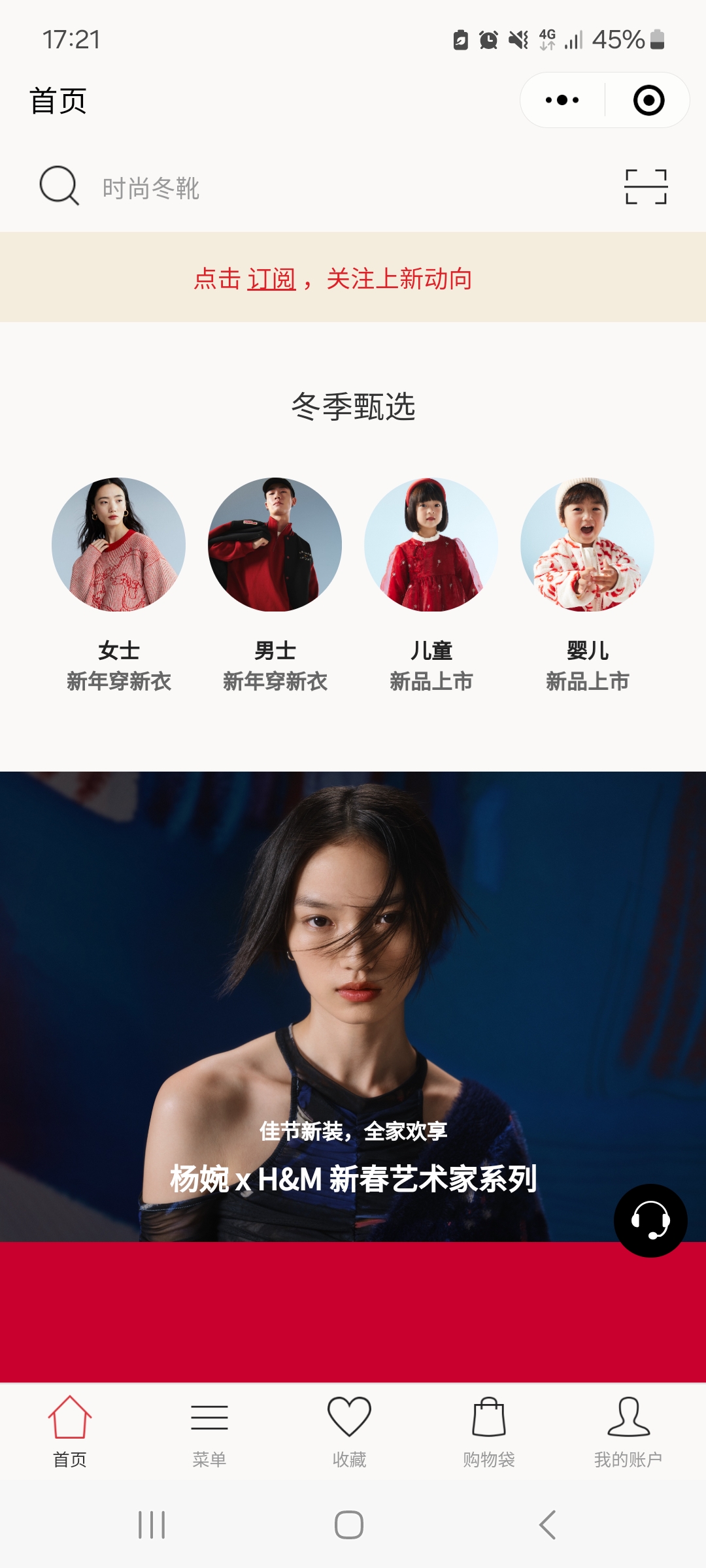
The Role of Mini Programs in Marketing Strategy
For brands, Mini Programs offer a wide range of features designed to provide consumers with various business-related services, such as product catalogs, eCommerce, booking services, customer support, and more—enhancing the customer experience and retention.
Being seamlessly integrated with all WeChat services—including messaging, groups, QR code scanning, and search—businesses can leverage the platform’s vast user base to gain greater visibility and traffic.
eCommerce Mini Programs are among the most popular categories on WeChat, shortening the user’s purchase journey and ensuring a smoother shopping experience. By adding customer support, operations can be managed within the private domain, enabling the implementation of targeted marketing strategies.
In fact, beyond improving the user experience, WeChat Mini Programs provide valuable user data, useful for building a proprietary database. Customer Relationship Management (CRM) plays a key role in supporting business strategies by enabling accurate insight analysis and understanding of customer localization, which helps in developing detailed and effective commercial strategies.
Wechat Channels: WeChat “open” feature
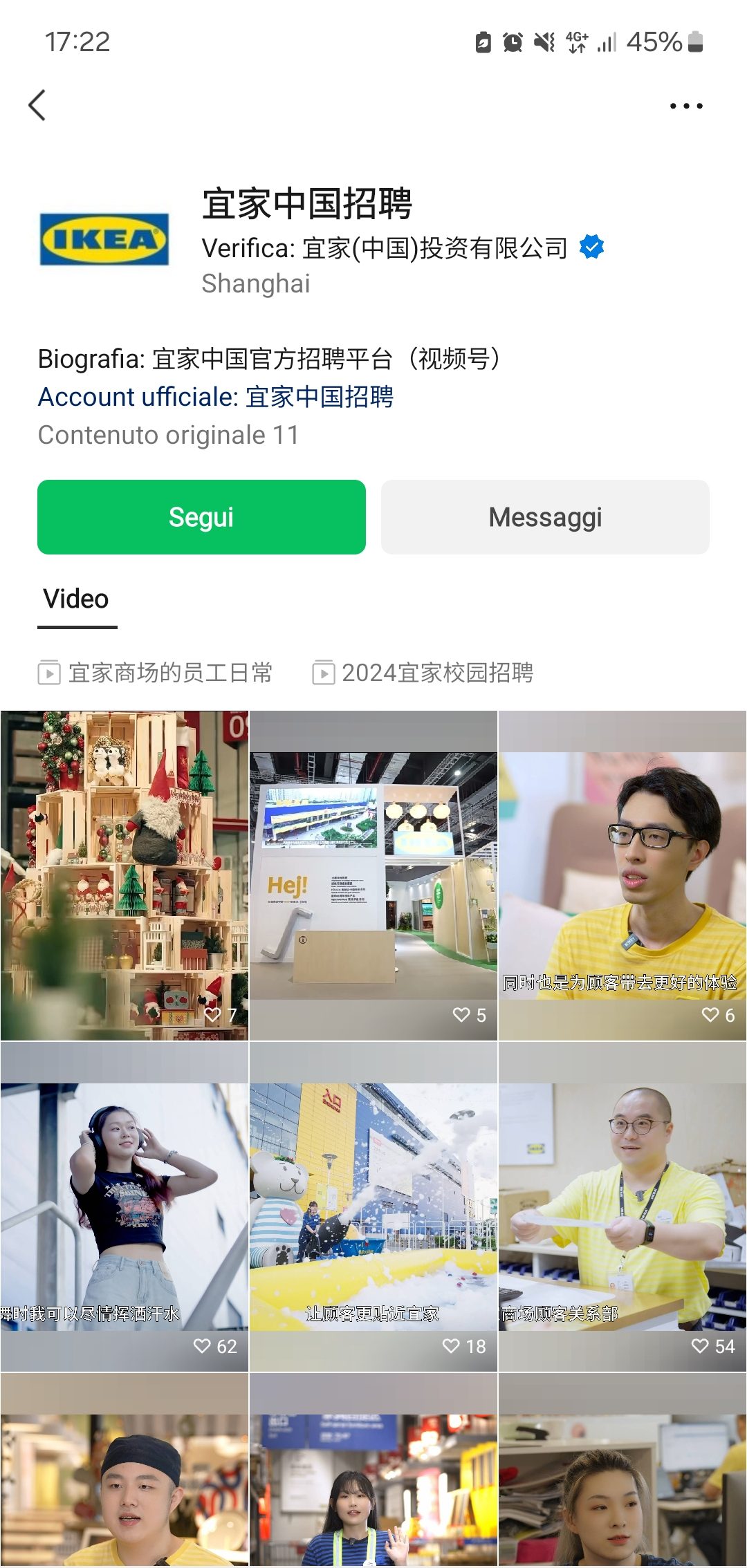
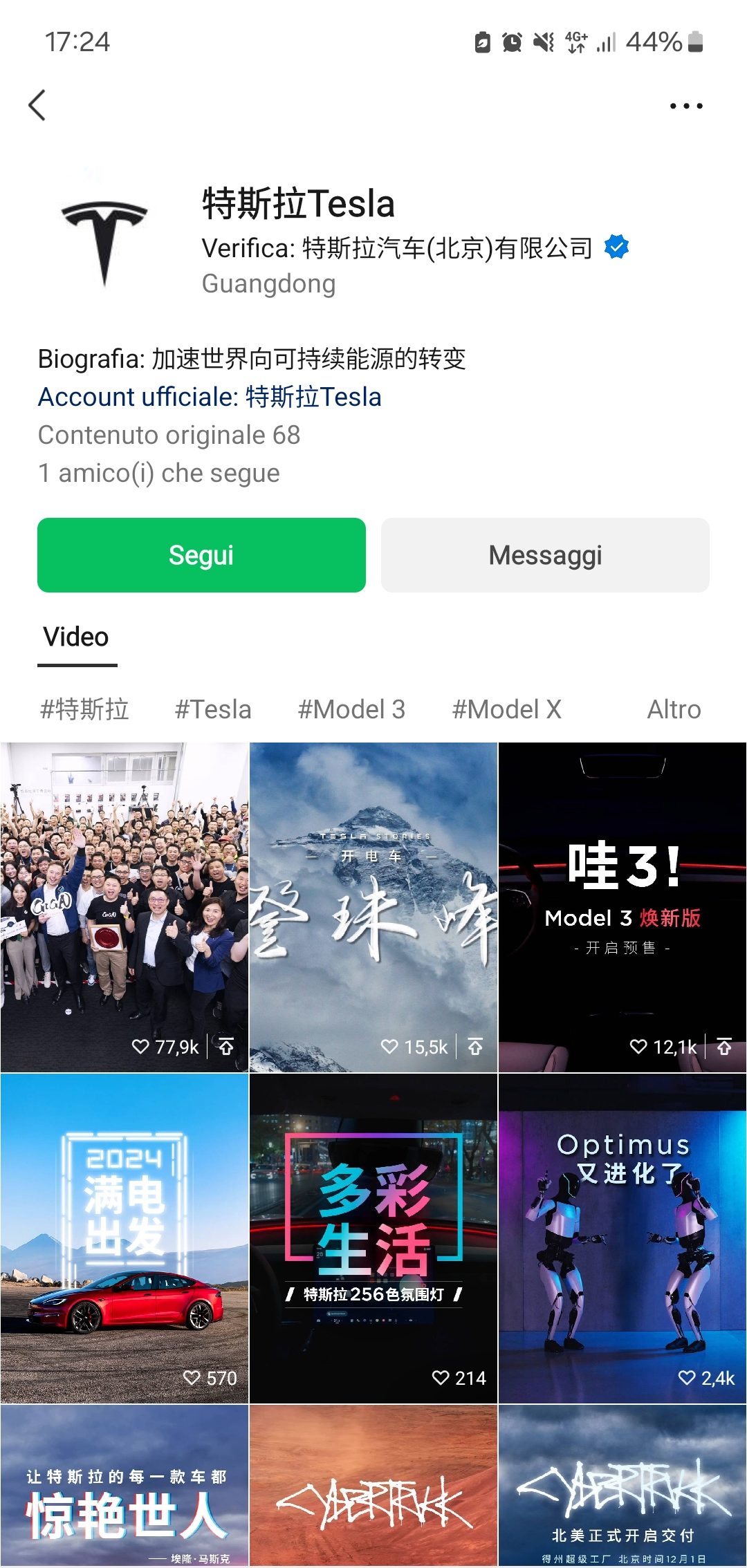
Launched in 2020, Channels are WeChat’s response to the growing popularity of short videos among Chinese consumers. This feature allows users to discover and follow people and brands on the platform—even if they’re not part of their contacts—making it the only “open” aspect of the WeChat ecosystem.
The Channels feed resembles that of other video-based social media platforms, with a single-column layout where videos autoplay as users scroll. Users can endlessly explore the feed to view content posted by their friends, favorite brands, influencers, and public accounts.
The feed is organized into three main tabs: the “Following” tab, which displays videos from accounts the user follows; the “Friends” tab, showing videos liked by friends; and the “Trending” tab, which features popular posts recommended by WeChat from accounts the user doesn’t follow. A navigation bar also includes a location-based filter for viewing nearby content.
Among Channels’ more recent features are in-feed ads and storefronts, allowing businesses to directly promote their products within this section. Videos can be shared in individual WeChat chats, group chats, and Moments.
Integrating Channels into Company Marketing
Channels represent a unique opportunity for businesses to reach a new audience through popular video content enriched with live streaming and eCommerce features. Although separate from Official Accounts, Channel accounts can be connected by inserting a redirect link within the OA.
Through effective short videos, companies can promote their brand and encourage users to visit both their Channel and Official Accounts. This approach enables organic growth by leveraging audience engagement and reaching a wide audience beyond the user’s social circle. The search bar at the top of the video feed also allows users to discover content beyond their followers, further enhancing the discovery experience.
WeChat Search: the research engine
WeChat Search stands out significantly from traditional search engines like Baidu, as it focuses exclusively on content and accounts within the platform. Users can search for articles, news, Official Accounts, Channel accounts, and Mini Programs. As a result, businesses must optimize their content with relevant keywords to ensure visibility in targeted search results. In brand-related searches, Official Accounts, Channels, and Mini Programs are prominently featured and tend to receive higher user engagement.
WeChat search also extends to group chats, allowing users to look for specific content or conversations within discussions. This feature is especially useful for retrieving past messages or locating specific information within group interactions. Keyword searches in group chats can also be valuable for businesses, as they can monitor mentions of their brand or products.
WeChat Search has been enhanced with AI capabilities to offer a more interactive user experience while improving efficiency for content creators and developers. Within Official Accounts, WeChat Search now integrates advanced language models and a tool for generating images based on text prompts.
In 2023, WeChat Search surpassed 500 million monthly active users, and projections suggest that number may grow to 600–700 million by 2025.
Wechat Moment
This section functions as a “bulletin board” where users share and simultaneously view updates from the accounts they follow, both personal and business-related. Moments can include images, text, videos, and published articles.
As a feature originally designed to maintain communication among one’s contacts, Moments are visible and open to comments only within the user’s circle of friends.
Wechat Pay: Tencent digital wallet
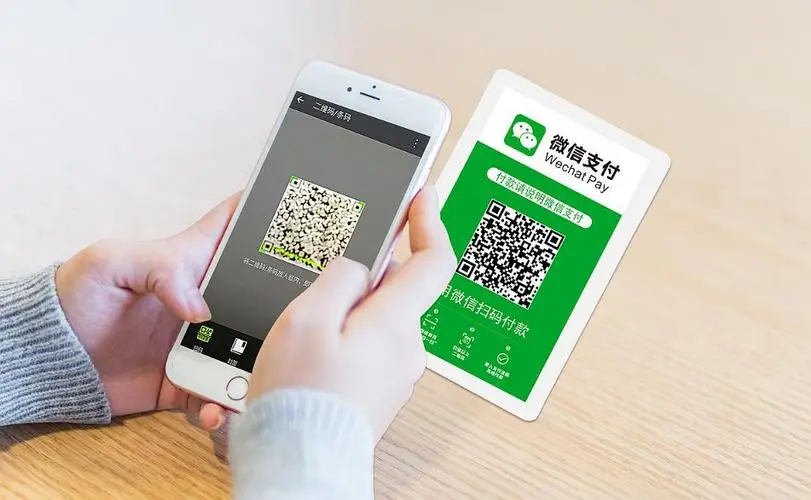
Wechat Pay is a cornerstone of daily life for Chinese people, having revolutionized their payment habits. By offering various payment options for both in-store and online scenarios, WeChat Pay connects to users’ Chinese bank accounts and/or international Visa and MasterCard credit cards. Users can input their payment information into the WeChat app to make payments, peer-to-peer money transfers, and online or in-store purchases.
To encourage adoption of WeChat Pay, Tencent launched a major marketing campaign that blended cultural tradition with gamification. In 2014, the Digital Hong Bao (Red Pocket) feature was introduced on WeChat, transforming the traditional Chinese custom of red envelopes into a digital format. This innovation motivated users to adopt WeChat Pay, as they could send digital money in virtual red envelopes to relatives and friends through the app. The amount inside could only be revealed after interacting with the virtual envelope. WeChat made the red envelope exchange even more engaging by turning it into a kind of lottery—when sending a digital hong bao in a group chat, the system would distribute the money randomly among members after interaction. This gamification strategy, combined with the deep cultural significance of hongbao, created a viral phenomenon that greatly boosted the popularity and adoption of WeChat Pay.
Today, WeChat Pay is used by around 80% of active WeChat users, making it one of the dominant mobile payment methods in the Chinese market alongside Alipay.
Wechat Pay as company asset
All WeChat features support integration with the WeChat digital wallet, allowing businesses to incorporate it into their eCommerce on the platform as well as in their offline retail locations through QR Codes. This ease of use not only speeds up transactions but also enhances the customer experience, boosting customer loyalty and encouraging repeat purchases.
As part of the WeChat ecosystem, the digital wallet enables the collection of valuable insights into customers and their behavior, including shopping habits and preferences. This data can serve as a goldmine for guiding marketing efforts, helping to develop more targeted and personalized campaigns.
Wechat Advertising
WeChat offers businesses the opportunity to launch paid advertising campaigns within its ecosystem, with a variety of ad format options including display ads, Moments ads, Official Account ads, Mini Program ads, and collaborations with Key Opinion Leaders (KOLs).
To access advertising features, businesses must obtain blue-check verification for their Official Accounts. This process ensures a certain level of authenticity and trust within WeChat’s advertising environment. Once verified, companies can create and publish sponsored content based on user data gathered from the platform, which includes demographic information, interests, behaviors, and location.
Main type of Wechat Adv
Businesses can leverage various types of advertising:
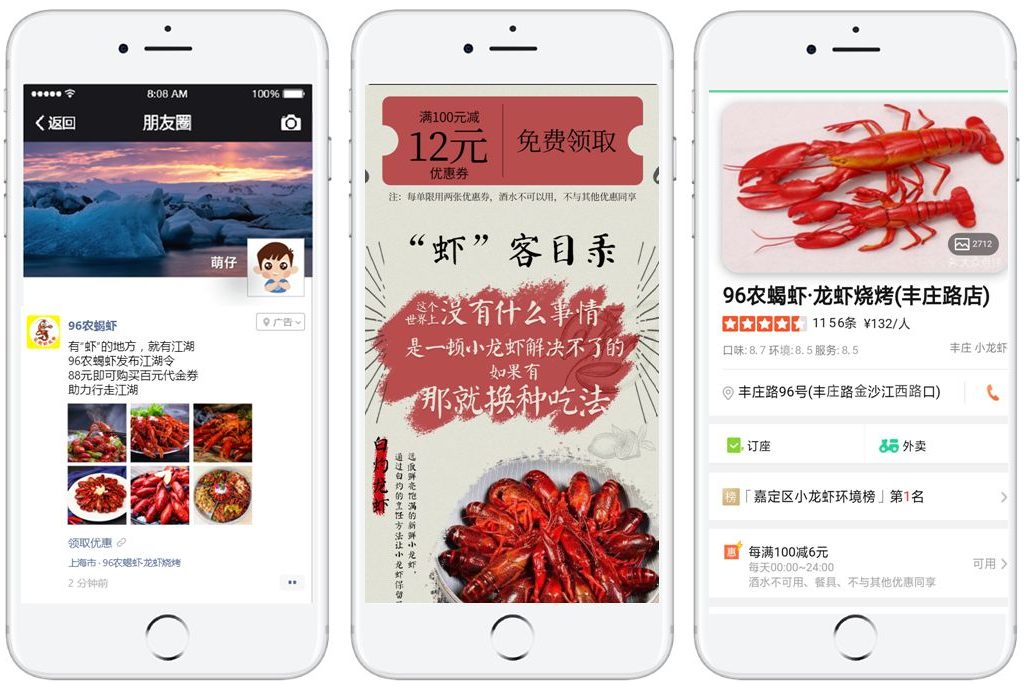
▸ Moments Ads: Native ads that appear within the Moments section, similar to a friend’s status update but with a sponsored button. These ads can include text, images, and videos, offering multiple engagement options.
▸ Public Account Ads: Ads that appear within articles, available in formats like single images or videos. These banners can contain links that redirect users to online stores, WeChat Official Accounts, or H5 pages.
▸ Mini Program Ads: These can include different formats such as banner ads, mini-games, and pop-up ads. Banner ads are embedded within Mini Programs and resemble sticker-like promotional placements used in Official Accounts. Mini-games feature short video ads that lead to a landing page and are integrated into the game’s storyline. Pop-up ads appear under specific conditions within a Mini Program, such as when switching between tabs.
Advertising must comply with WeChat’s advertising policies, avoiding misleading information, prohibited products, and content that violates local laws. Advertisers must ensure adherence to these guidelines to avoid rejection or suspension of their accounts.