
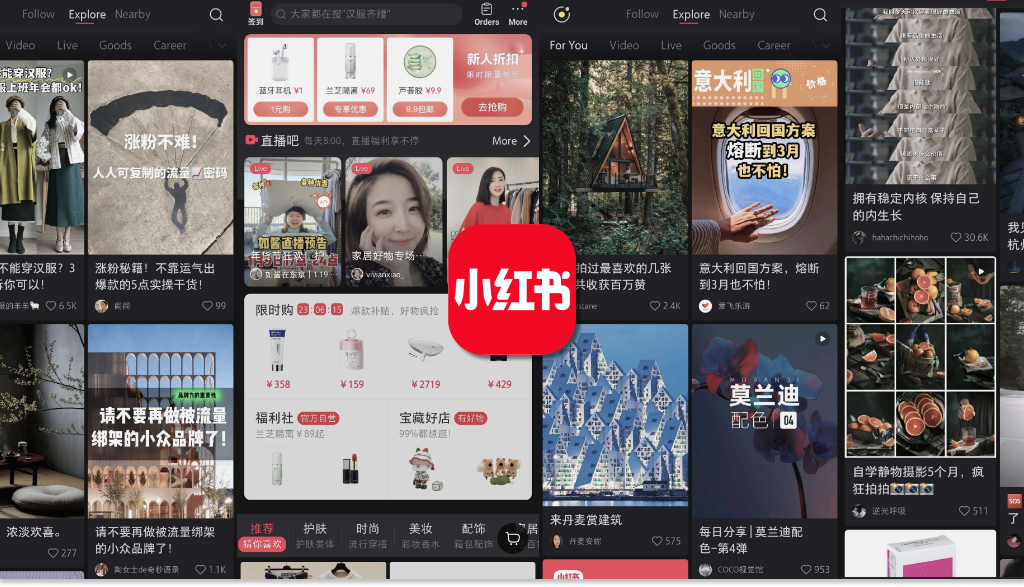
RedNote (or Little Red Book / Xiaohongshu) is a powerful marketing tool for international brands. With 200 million monthly active users, it is one of the most influential social commerce sites in the country.
Xiaohongshu (小红书 – Little Red Book in Europe) was born as a sharing community to help users discover and purchase international goods, and share advice and suggestions. Over the years it has progressively integrated eCommerce features which, combined with social ones, have created a complete social commerce platform, where suggestions and advice push users to purchase. Marketing on RedNote (Little Red Book) is therefore an excellent opportunity to expand your business in China.
What is RedNote (Little Red Book)
On RedNote, the contents (“Notes” – 筆) are created directly by users, who thus share their shopping experiences. It is the platform itself that encourages the sharing of personalized posts, based on the experience of the individual user. Detailed information, videos, photos, live streaming on purchased goods and demonstrations of their use make product reviews authentic and sincere. Xiaohongshu wants to provide valuable content, so the quality of the “notes” must be high.
A look at the users
Currently, registered users on the platform exceed 300 million. Of these, 72% belong to the post-90 generation and more than 56% come from first and second-tier cities.
By gender, women represent the most active group of users, although the proportion of men registered on Little Red Book has progressively increased. Registered male users currently represent 30% of the total.
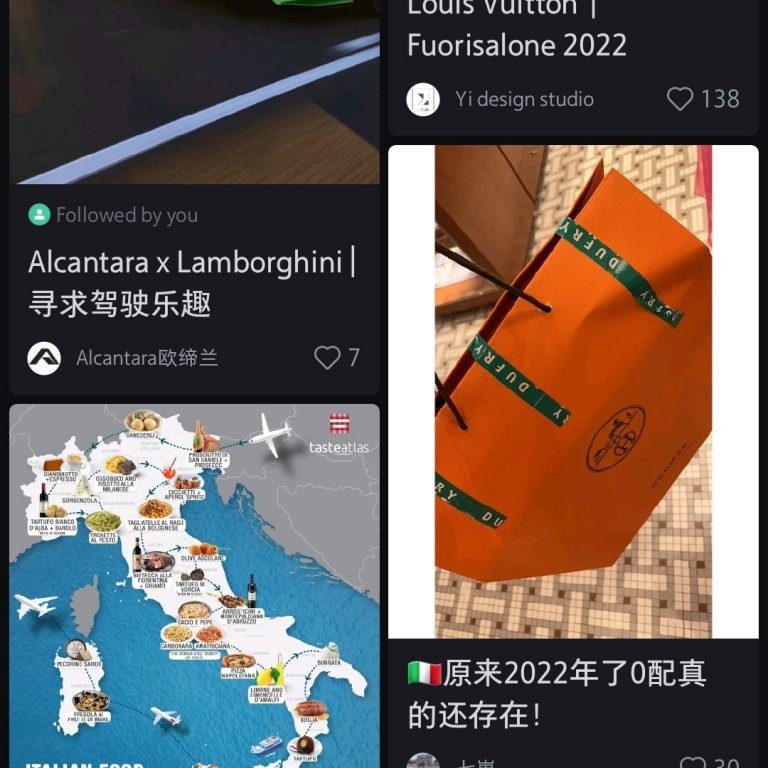
Although the content aimed at a male audience is growing, only 10% of registered male users actively participate in the dynamics of the platform.
Little Red Book is used by users to share their lives and experiences, including their purchases, trips and places visited.
In most cases, these shares turn into real evaluations and suggestions.
Although initially the application mainly offered content relating to fashion and cosmetics, Little Red Book has progressively become verticalised and contents relating to numerous sectors have become populated, such as food, furniture, fitness, and childhood.
What distinguishes RedNote from other e-commerce sites?
Little Red Book (Xiaohongshu) offers exactly what the Chinese consumer wants: opinions, and recommendations on products to buy. In China, people are used to seeking reassurance from the experiences of those who have already purchased a product or from KOLs (Key Opinion Leaders).
Furthermore, the platform is highly interactive. In fact, users tend to be very active; comment and save other users’ posts to create guides. In this way, consumers have the opportunity to ask questions, express doubts about products and understand if a good suits their needs.
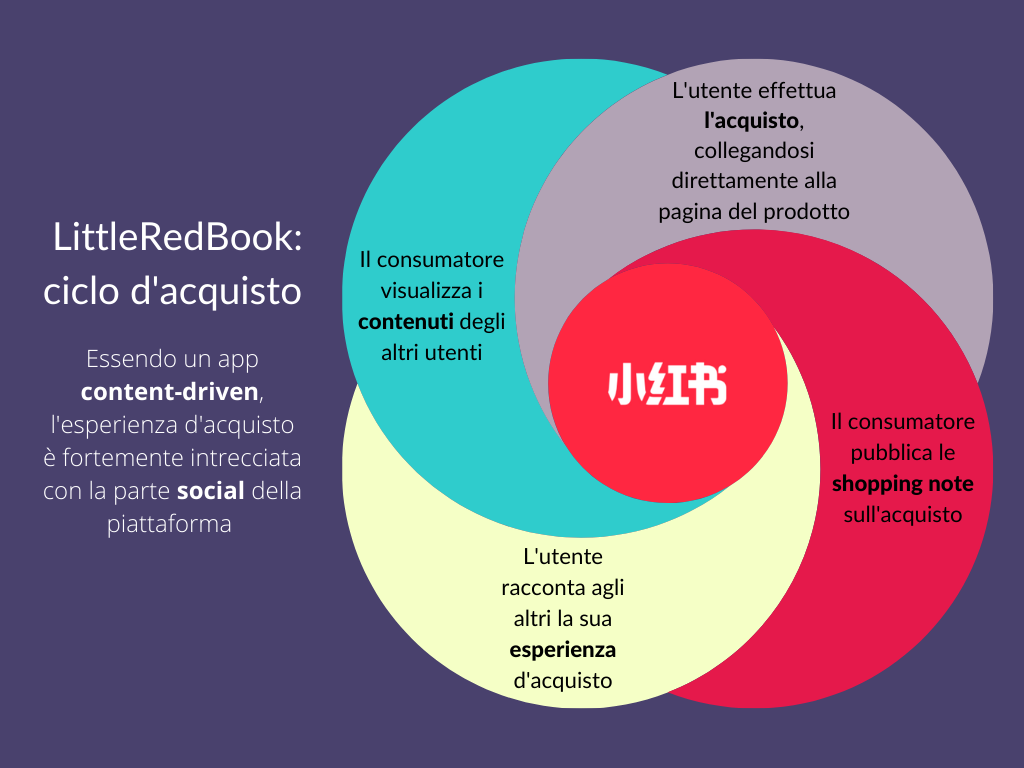
The platform has created a real purchasing cycle, directly connecting user content with the brands’ eCommerce pages. When a consumer finds an interesting product she has the opportunity to connect directly to the store to purchase it and post reviews after use.
A shopping experience based completely on interaction between customers makes marketing Little Red Book a powerful tool for increasing brand awareness and popularity in China.
The platform’s algorithm creates a personalized feed based on the type of content viewed by the user and depending on the posts with which he interacts most frequently, the type of “notes” he publishes and the people he follows.
To search for content, users can use several functions. In the “Explore” section, contents relating to the consumer’s interests are shown. Furthermore, the application can geolocalize the customer and provide content based on her location. “Follow” shows content posted by the KOLs or brands they follow.
The ecosystem thus created by Little Red Book favours the so-called Zhòng Cǎo (种草), i.e. the inspiration to purchase caused by content seen on social media. According to Nielsen Research Data based on the processing of official data from RedNote (Little Red Book), the desire to purchase inspired content on the platform involved 80% of its users. In general, the main usage scenarios of Little Red Book revolve around Zhòng Cǎo: that is, the active search for reviews relating to products in which the person is interested, the search for inspiration or new trends.
What marketing opportunities does Little Red Book offer?
On November 28, 2018, Taobao officially launched the integration with Xiaohongshu. On Taobao’s product page, Little Red Book user-generated posts appear under the reviews section. This is a great opportunity for Taobao and Tmall sellers, who can increase the popularity of their products on RedNote (Little Red Book).
But the real strength of this platform for companies is the possibility of interacting directly with consumers, answering questions and clarifying doubts. Being a social media that relies entirely on word of mouth, having a business account can be a winning move to increase the popularity of your brand in China. If a consumer searches for a brand and sees little or no content related to its products, he or she will start to worry about their quality.
KOL and KOC marketing on Little Red Book
Thanks to the UGC (User Generated Content) model, Xiaohongshu social commerce has become the reference point for KOL marketing in China. Collaborations with opinion leaders allow brands to increase their visibility. Compared to other platforms, on RedNote (Little Red Book), KOL communication is considered more authentic and trustworthy by Chinese consumers.
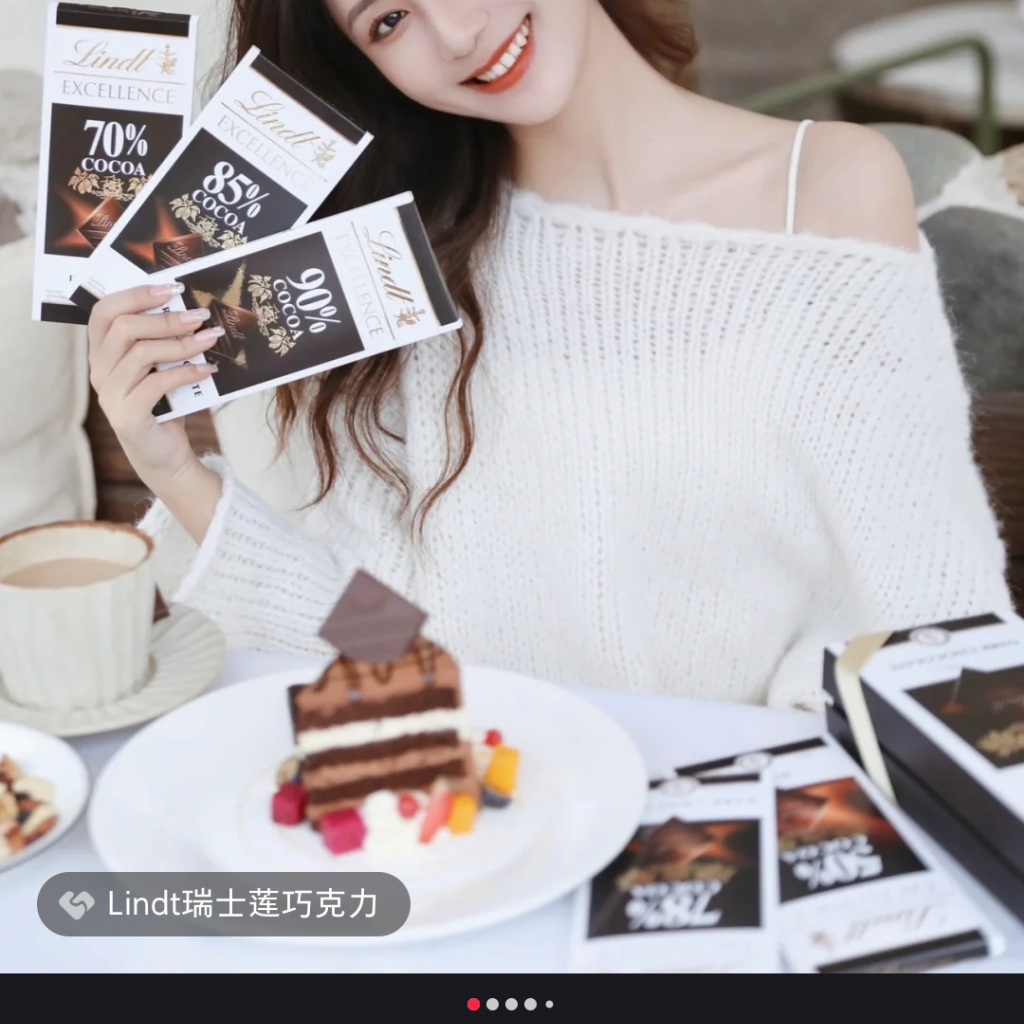
While customers pay close attention to high-quality content shared by brands, they increasingly value content generated by other users.
Furthermore, influencers on Xiaohongshu have become very verticalized. This means that there are KOCs specialized in specific sectors and are responsible for sponsoring products relating to that sector only. So a fashion blogger doesn’t deal with furniture-related content.
The authenticity that users find in Little Red Book influencers also comes from the platform’s commitment to protecting consumers. In fact, in 2019, to combat the increase in fake products and reviews on the platform, the application implemented higher standards for KOL accounts, which must follow specific guidelines.
Store on RedNote (Little Red Book)
In the cross-border eCommerce market, RedNote has positioned itself as the go-to platform for product reviews. As a result, the launch of the “store” function in the application seems to be a given.
Its potential has been recognized by multiple large companies. In June 2018, Xiaohongshu completed a USD 300 million financing led by Tencent and Alibaba, with participation from major firms such as GGV Capital, ZhenFund, Tiantu Capital, K11 Adrian Cheng and Genesis Capital.
Users can access RedNote (Xiaohongshu)’s eCommerce functionality via the store function, which supports payments via Alipay and WeChat. Live streaming is a fundamental component of the Little Red Book store, thanks to the active participation of Chinese influencers.
To take advantage of the platform’s eCommerce features, brands must first open an Official Account which will be connected directly to the flagship store on RedNote (Little Red Book).
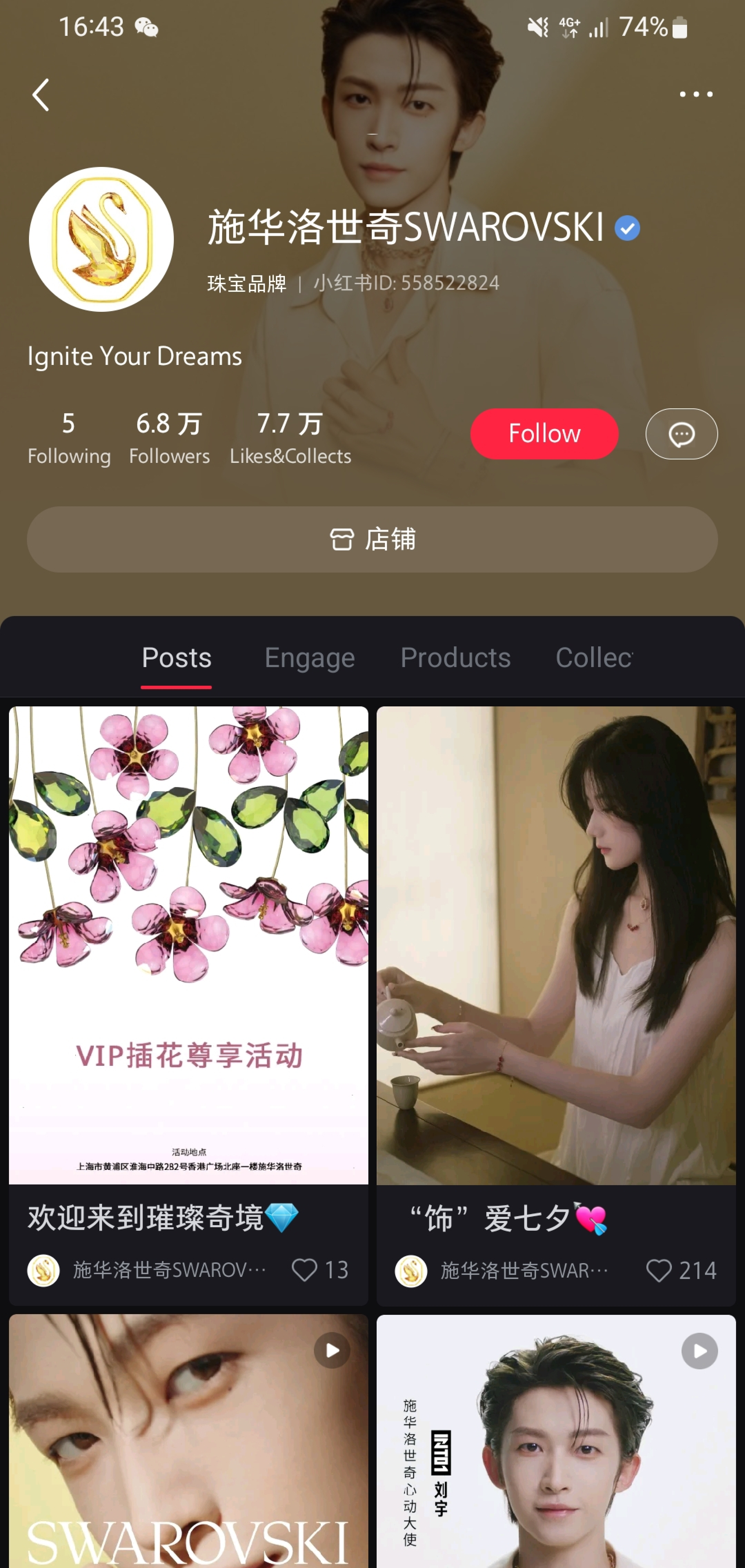
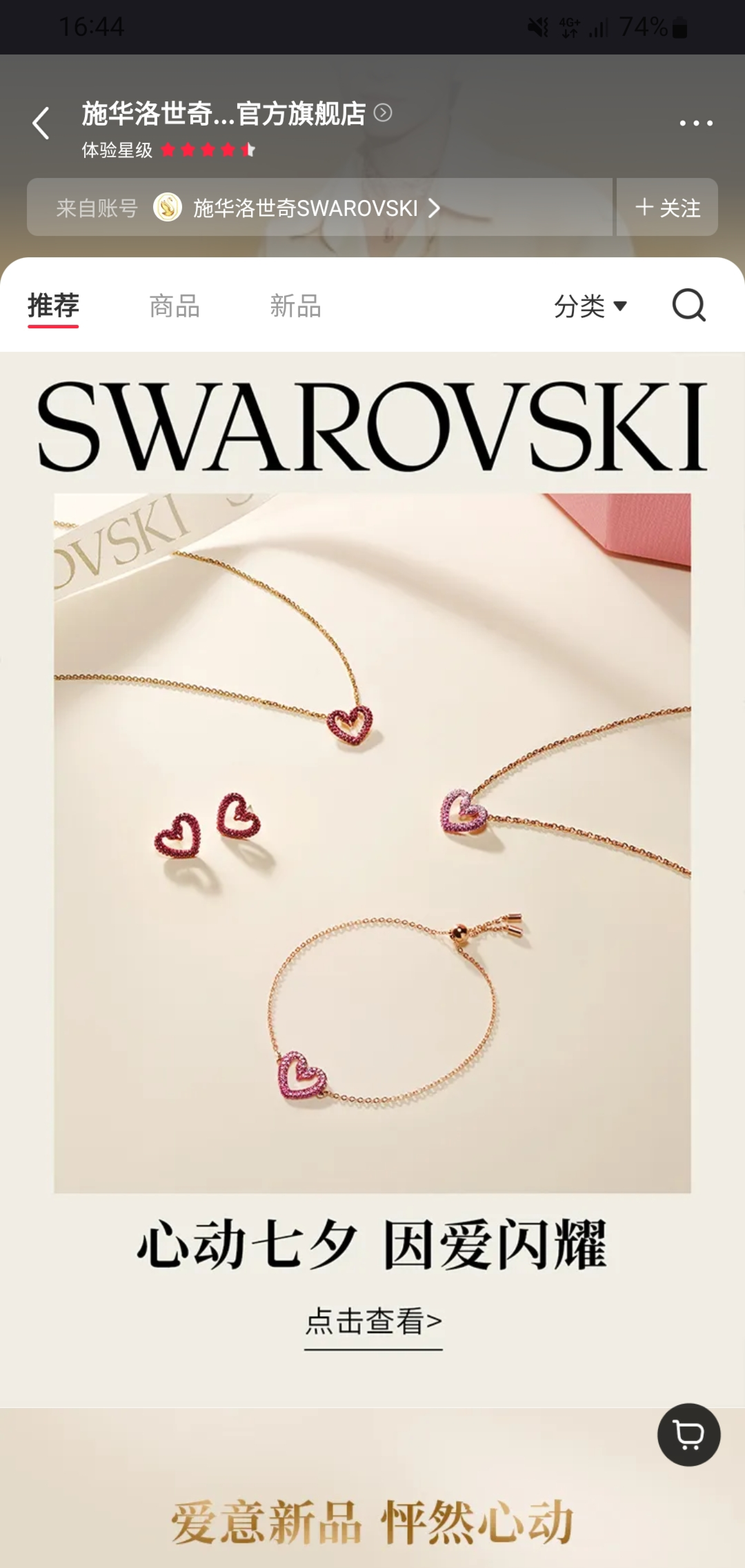
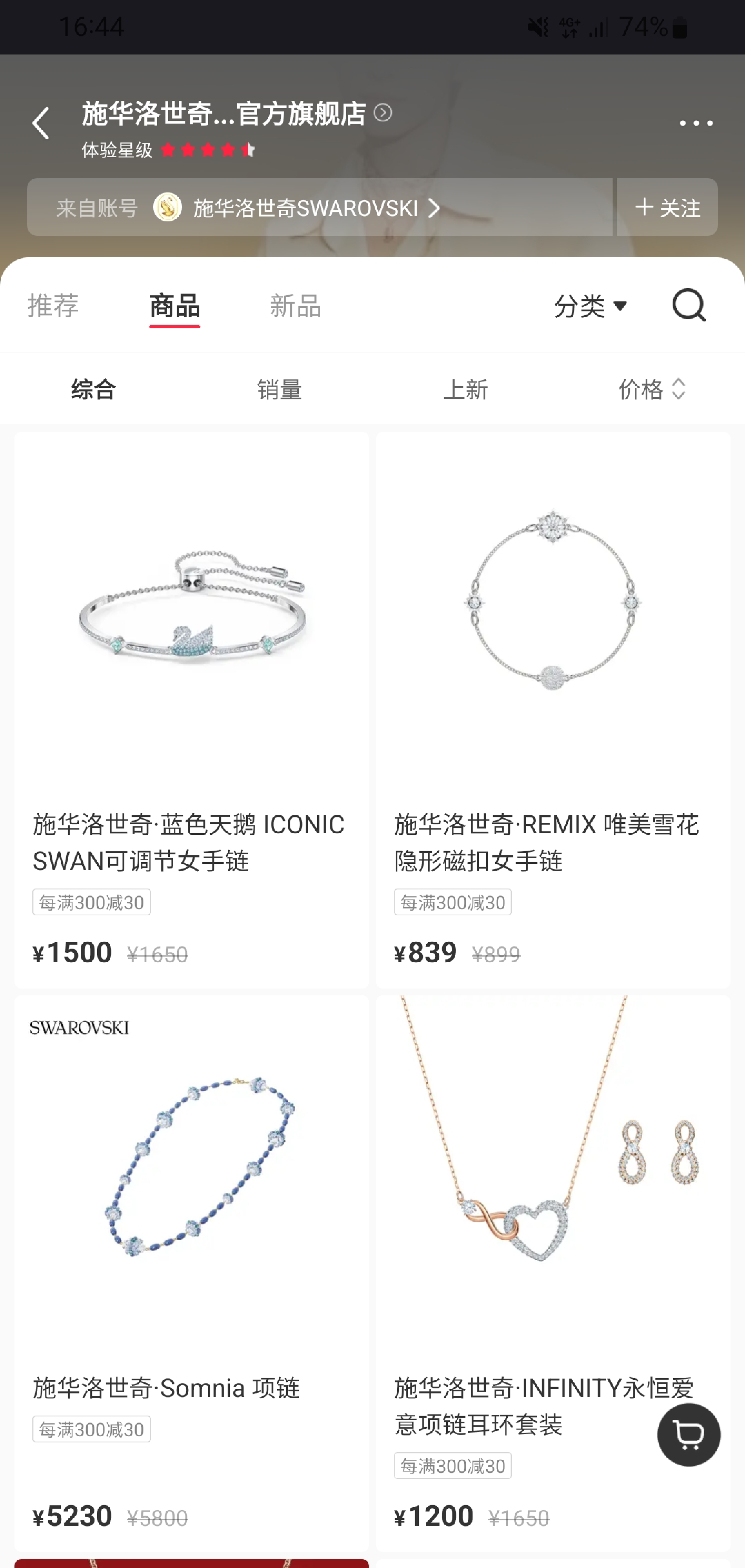
RedNote (Little Red Book) has now become an essential platform in the purchasing process of Chinese consumers, especially high spenders, who gather on the application to exchange evaluations and advice.
Working with a reliable, professional and highly competent team in digital marketing in China is essential for your business to succeed in the land of the dragon.