
China remains the largest exhibition market in Asia and one of the most prominent emerging markets in the global trade fair industry, so partecipating in trade fairs in China remain a strategic move. Given the central role that trade shows play in the country’s economic development, the Chinese government has directed significant policies and resources toward building exhibition venues. Today, China is home to some of the world’s largest convention centers, such as the National Exhibition and Convention Center (NECC) in Shanghai and the Shenzhen World Exhibition and Convention Center.
Participating in trade fairs in China presents a major opportunity for international companies looking to expand their presence in one of the world’s most dynamic markets. However, to ensure maximum success at these events, careful planning tailored to the Chinese context is essential.
In this article, we will explore key strategies for preparing effectively to attend trade fairs in China, but first, let’s examine why this investment is worth considering.
Why to partecipate to trade fairs in China?
Participating in a trade fair offers advantages both for companies entering the Chinese market for the first time and for those with an established presence in China.
Attending an industry-specific fair can be a valuable way to gain insight into the actual market landscape, assess the quantity and quality of competitors, build connections, and begin promoting one’s brand. All of this is essential to determine whether a company can compete effectively and sustain the investment required not only to enter the market, but also to remain competitive over time.
It’s not just newcomers to China who benefit from trade fairs, international companies already operating in the Chinese market can also gain significant value by taking part in these events.
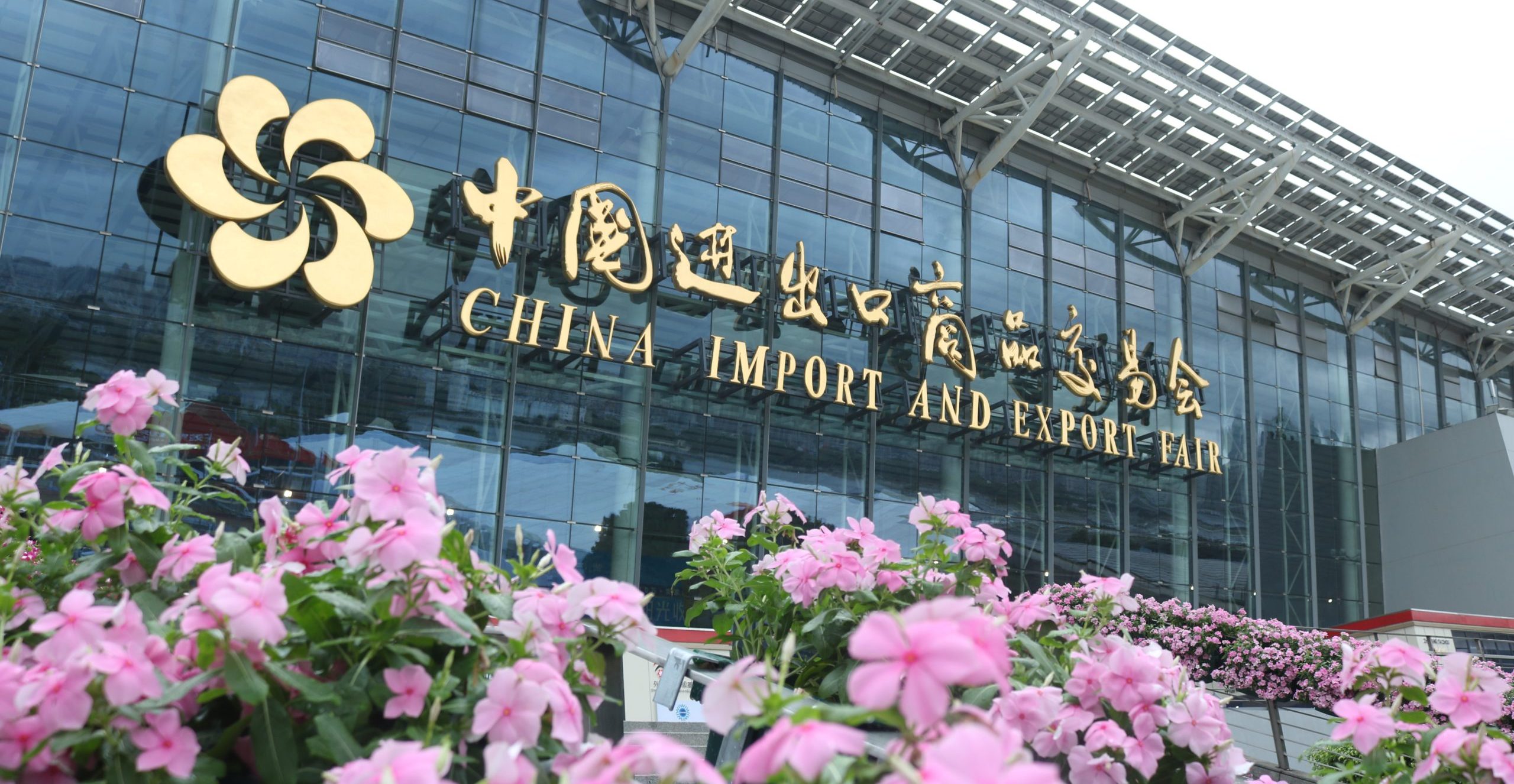
First and foremost, trade fairs allow companies to maintain direct contact with the market. While professionals involved in China-related business are generally up to date on market developments, a trade fair offers deeper insights through the many discussion forums often organized during these events. These gatherings serve as key meeting points for experts and industry professionals who share sector-specific updates and provide valuable networking opportunities.
Want to know what we can do for your company? Visit our services page.
Gaining a deeper understanding of the market can also help companies identify new growth opportunities, including in regions of the country that may not have been previously considered, as well as potential challenges that could arise.
Additionally, participating in industry fairs enables companies to monitor the competition. New players may emerge each year with innovative products or services, and trade fairs offer a chance to observe how they operate, what their flagship offerings are, and more.
Want to get fully prepared for your next trade fair in China?
Contact us to discover how we can support you with a tailored strategy, localized content, and digital tools designed to engage effectively with the Chinese audience.
Value China, a company specialized in developing digital solutions and consulting for the Chinese market, is the first official partner of Tencent, ByteDance, and Little Red Book in Italy.
How to prepare your presence at a trade fair in China?
Before the event
Identifying the right trade fair to invest in
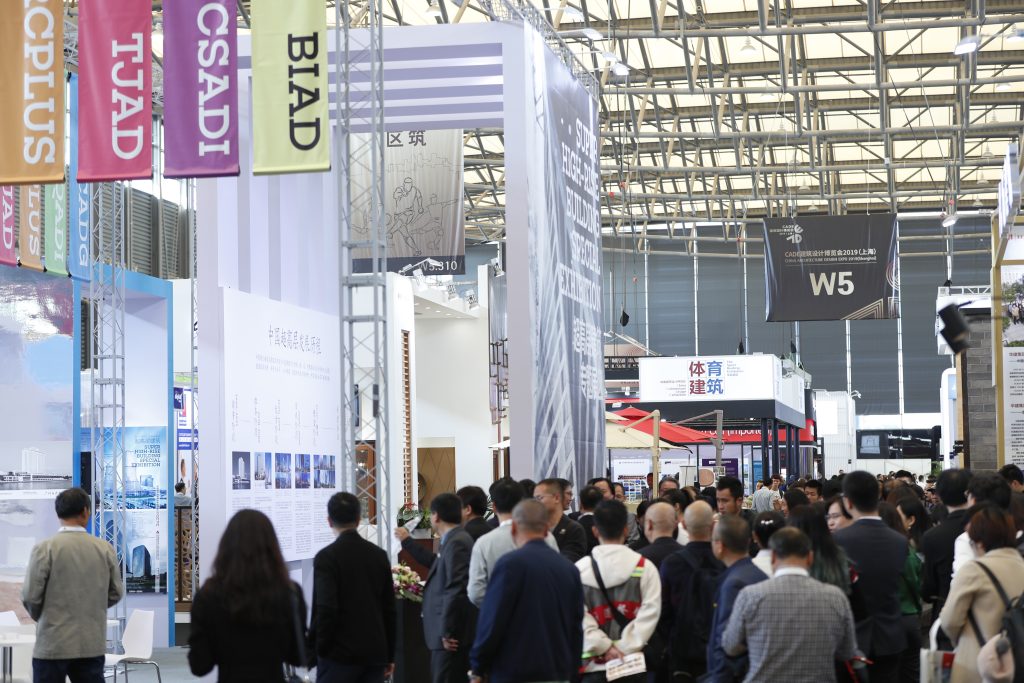
Choosing the right trade fair is the first step toward effective participation. In a vast and complex market like China, where exhibitions are constantly multiplying, it’s easy to feel overwhelmed. To navigate this landscape, it’s essential to start from your business objectives and market positioning, carefully selecting the events most relevant to your industry, target audience, and competitive landscape.
Trade fairs in China vary significantly in size, audience, and thematic focus, making strategic evaluation absolutely crucial.
Preparing appropriate materials in Chinese
Participation in trade fairs requires the preparation of exhibition materials, which must be in Chinese. In fact, Chinese professionals generally prefer to communicate in their native language rather than in English. For this reason, it is essential that the company representative attending the fair has strong language skills and can use them effectively to present the company and engage with local counterparts.
Therefore, it is not enough to simply translate into Chinese, it is essential to understand the cultural nuances and, above all, be familiar with business etiquette to build trust with potential partners.
Promoting trade fair participation on social media channels
The commitment to participate in a trade fair begins well in advance, not only with booth setup and material preparation, but also with the development of a targeted communication strategy.
Social media channels are powerful tools for promoting your presence at trade fairs, expanding your audience reach, and generating online interest. Given their importance, trade fair-related content should be part of a carefully planned strategy aimed at boosting brand awareness and offering compelling reasons to visit your booth. It’s also essential to share information in advance about your booth location so visitors know where to find your team.
Trade fairs themselves actively use social platforms to promote the event. Leveraging their visibility, such as using the official event hashtag, allows companies to reach a broader audience. Organizers often share updates about the fair and participating companies, which can be used to direct traffic toward your own online channels.
All of this requires a solid online presence. Not being active on major digital platforms means not existing in the Chinese market. Therefore, companies entering this market should at minimum have an Official Account on WeChat. Used by over a billion Chinese users, WeChat is a multifunctional app integrated into nearly every aspect of daily life, both personal and professional.
In addition to having a presence on social media, it’s equally crucial to ensure that your company website is accessible and well indexed on Baidu, the dominant search engine in China. With Google blocked, Baidu becomes the primary search channel, favoring Chinese-language content, servers located in Asia, and penalizing slow websites or those with resources inaccessible from within China. A localized landing page and optimized meta tags can make a significant difference.
Read also: How to do marketing with WeChat
Before attending a trade fair in China, it’s crucial to build a strong online reputation to establish credibility and earn the trust of potential partners and clients. In China, a robust digital presence is essential for success.
During the course of the trade fair
Integrate online and offline experience
A well-managed presence on WeChat allows companies to offer visitors an omnichannel experience during trade fairs. By simply integrating QR codes into their exhibition space, businesses can enhance the visitor journey, seamlessly connecting offline and online interactions.
QR codes are easy to implement yet highly powerful tools. Widely used in China for decades, they enable quick and simple access to linked online content. It’s no surprise that they’ve become central features in Chinese trade fair booths: on the visitor side, they provide deeper insights into the brand and its products or services via the company’s official WeChat account.
From the business perspective, QR codes are excellent tools for collecting contacts from professionals interested in the company. In fact, every Chinese professional typically has a personal QR code printed on their business card, which may link to their corporate profile or personal account. This makes it easy to exchange contact information and build a database for post-event follow-up.
Promoting online word-of-mouth
Social media are a powerful tool for connecting with those attending the trade fair, not only customers, but also industry experts, journalists, and influencers.
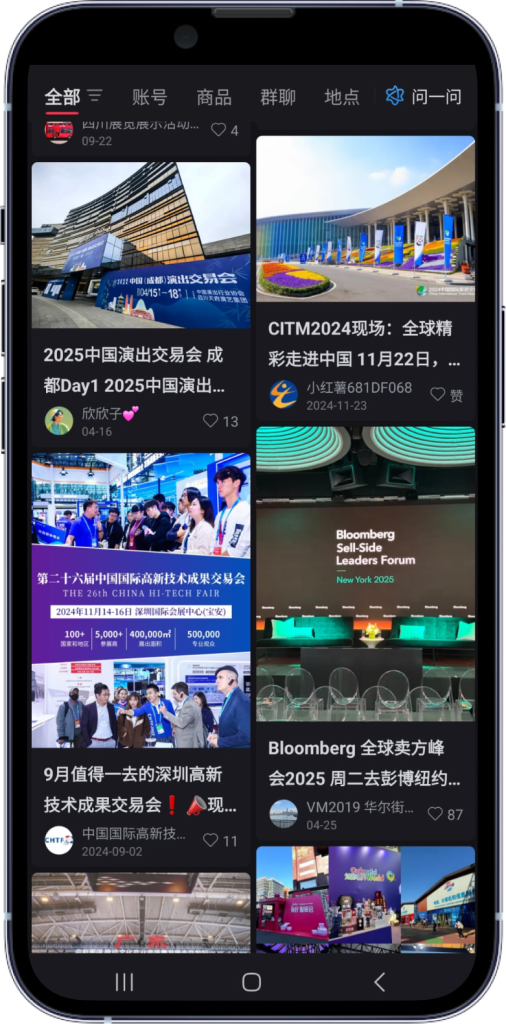
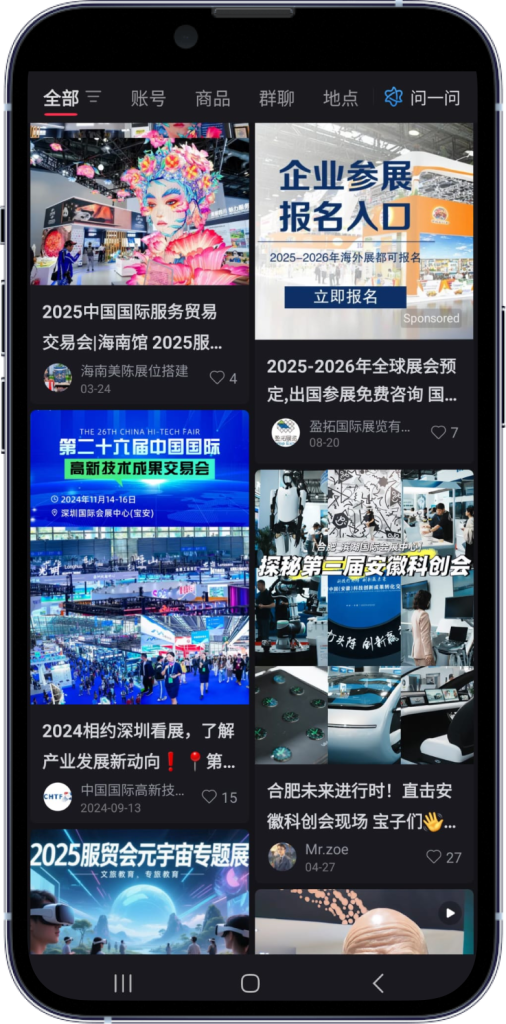
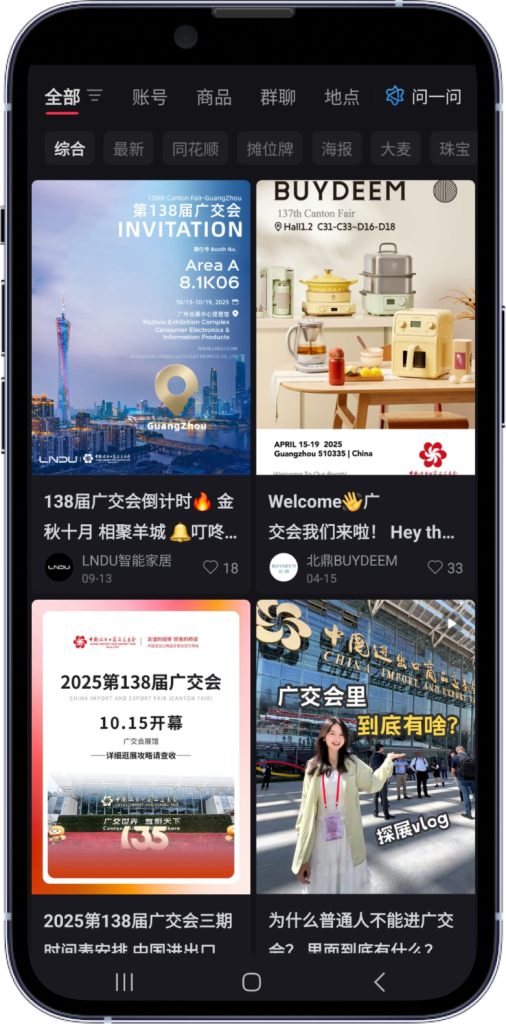
In China especially, sharing personal and professional experiences online is a widespread habit. It’s no surprise, then, that platforms typically considered “non-professional,” such as REDnote, feature a wealth of content related to trade fair visits, booths, and forums. Increasingly, trade shows themselves organize continuous livestreams, alongside spontaneous broadcasts by influencers, media outlets, and even exhibitors showcasing booths, products, and key moments of the event.
Given this context, it’s important for companies to maintain a diversified social media presence across multiple platforms, with editorial plans tailored to the specific communication style of each channel.
This allows businesses to take advantage of the opportunity to publish content about their time at the fair, participation in forums, and involvement in discussions.
Once the trade fair has concluded
Moreover, thanks to the contact database collected via QR codes linked to the company’s Official WeChat Account, representatives can maintain communication with visitors by reaching out directly through chat.
Today, WeChat, through its professional version, WeCom, offers a range of features that simplify contact management and follow-ups. With an integrated CRM-like system, it allows you to segment contacts and send personalized follow-ups automatically.
Want to learn more about WeCom? Read here!
More broadly, those who visited the booth have likely become followers of the account and can receive future updates through articles, track brand initiatives, and access promotional or loyalty programs.
Strategic post-event actions also allow companies to assess the effectiveness of their presence and determine whether, over time, the potential clients met during the fair have converted into actual customers.
Participating in trade fairs in China requires careful planning and a deep understanding of the local context. By adopting marketing strategies tailored to the Chinese market, international companies can fully leverage the networking and business opportunities offered by these dynamic events.
Some of the upcoming trade fairs in China
October – December 2025
October 31 – November 4, Guangzhou
Canton Fair – Phase 3 is mainly dedicated to consumer goods, textiles, fashion, home products, and health-related items.
November 5 – 10, Shanghai
China International Import Expo (CIIE) is an international trade fair exclusively focused on the import of foreign goods and services into China, aimed at promoting the opening of the Chinese market to international products and services.
November 5 – 8, Shanghai
BAU CHINA is Asia’s leading trade fair for architecture, building materials, and construction technologies.
November 12 – 14, Shanghai
FHC Shanghai is one of the most important international trade shows in China for the food & beverage sector.
November 12 – 14, Shanghai
ProWine Shanghai is China’s leading international trade fair dedicated to wine and spirits, held concurrently with FHC Shanghai. It features tastings, masterclasses, and professional forums to foster networking and education.