
In recent years, the Chinese market has undergone a profound transformation: consumers led by Gen Z and Millennials, have shifted their focus from status and functionality to authenticity, well-being, and originality. In this context, developing an effective content strategy means engaging with a complex ecosystem shaped by economic, cultural, and digital dynamics that differ significantly from those in the West.
Alongside a solid business plan, communication plays a strategic role for any brand aiming to win over the Chinese audience. A content strategy specifically designed for China is essential to establish an authentic dialogue with local consumers. Simply translating existing commercial materials rarely delivers effective results: Chinese consumers expect personalized, integrated experiences that align with their values.
China’s digital ecosystem, built around proprietary platforms such as WeChat, Xiaohongshu, Douyin, and Tmall, requires brands to create native content tailored to each channel. Within this landscape, the growing influence of Guochao, a movement that proudly and modernly celebrates Chinese cultural identity, makes the respectful and conscious integration of local elements even more critical. Doing so not only strengthens emotional connections with the audience but also demonstrates genuine cultural sensitivity. On the other hand, communication that fails to consider local cultural nuances can provoke negative reactions and damage brand reputation, as shown by the recent Arc’teryx case.
In this article, we’ll explore the key steps to developing a content strategy that builds trust, sparks interest, and drives engagement within China’s unique digital ecosystem. Through two emblematic case studies, L’Oréal’s “Because I’m Worth It” campaign and the Arc’teryx incident, we’ll examine how to craft a content strategy that creates lasting value, avoids reputational risks, and enhances meaningful dialogue between brands and consumers.
Do you want to expand your business in China? Contact us for more information at info@valuechina.net
Value China, a company specializing in digital solutions and consulting for the Chinese market, is the first official partner of ByteDance and Tencent in Italy.
Studying Your Target Audience
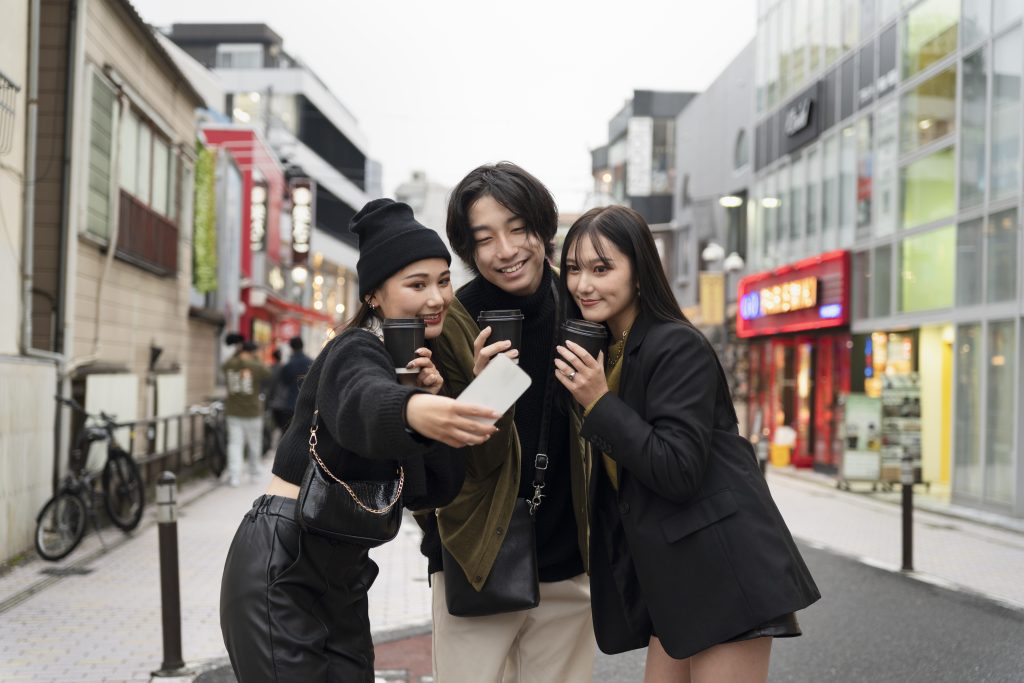
Understanding your audience is the first step in building a truly effective communication strategy and this is even more crucial when it comes to the Chinese market. In a constantly evolving, highly digitalized, and real-time interconnected environment, consumer habits and purchasing trends shift rapidly. To keep pace, it’s essential to conduct continuous, in-depth analysis of consumer profiles, needs, and behaviors.
In recent years, Chinese consumers have gradually shifted their focus from functionality and status to more emotional dimensions such as personal well-being, authenticity, and the pursuit of originality. This shift has fueled the rise of the “emotional economy,” which reached 2.3 trillion yuan in 2024 and is projected to surpass 4.5 trillion yuan by 2029.
At the same time, the concept of luxury has evolved: it is no longer solely tied to the ownership of goods, but to meaningful experiences such as travel, culture, and wellness.
Driving these transformations are Gen Z and Millennials, key players in digital consumption, who are highly attentive to sustainability, product quality, and strongly influenced by expert reviews and testimonials
Do you want to expand your business in China? Contact us for more information at info@valuechina.net
Value China, a company specializing in digital solutions and consulting for the Chinese market, is the first official partner of ByteDance and Tencent in Italy.
Navigating the Chinese digital ecosystem
The Chinese digital landscape is built around proprietary ecosystems where social media, e-commerce, and payment systems converge into a seamless user experience.
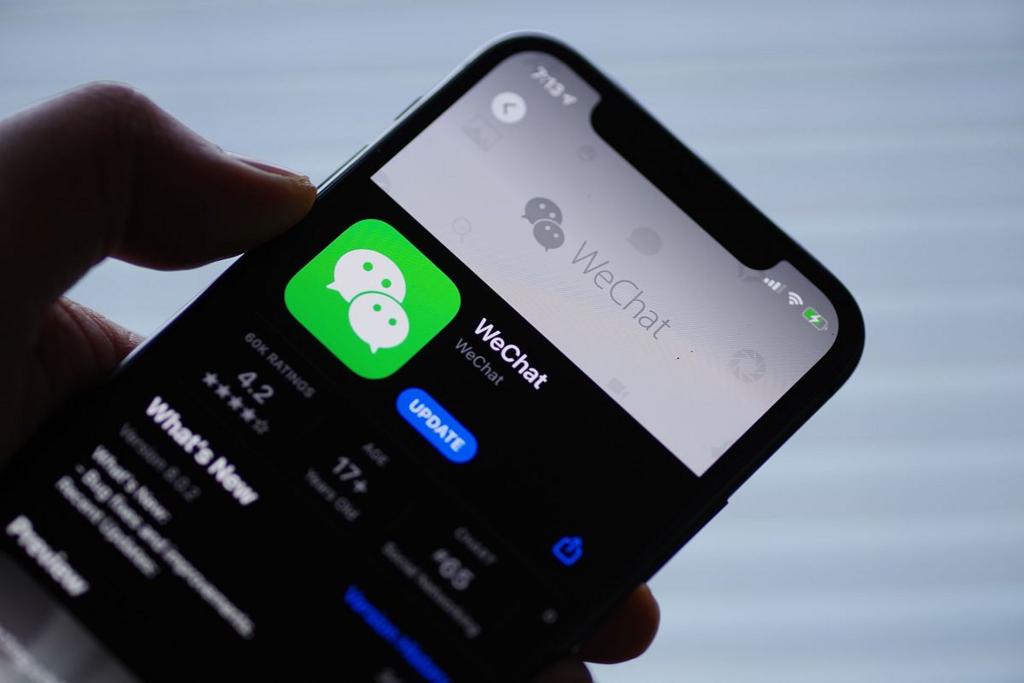
WeChat, with over 1.3 billion monthly active users worldwide, is far more than a messaging app: brands use it to build advanced CRM systems, distribute editorial content, and manage transactions through integrated mini-programs and WeChat Pay.
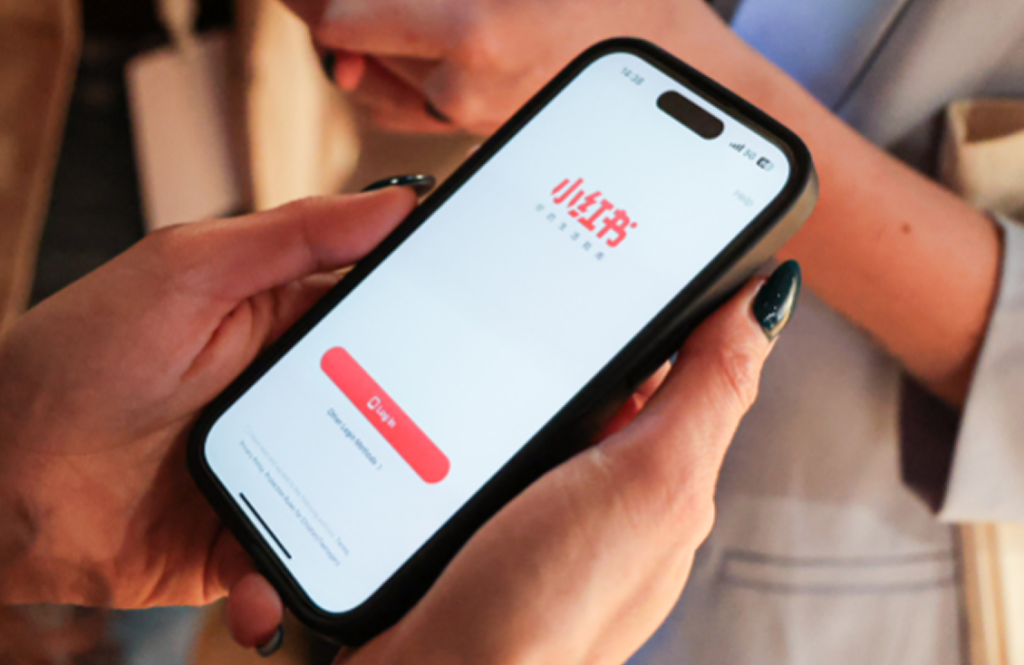
Xiaohongshu (RED) is the intersection of community and shopping, where reviews, lifestyle tips, and user-generated content (UGC) foster brand trust and fuel a structured social commerce environment.
Douyin, the Chinese version of TikTok, has revolutionized short video consumption with a predictive algorithm that drives live commerce and delivers exceptional engagement performance.
Completing the picture is a digital commerce economy powered by Tmall and JD.com, leading marketplaces equipped with robust logistics and post-sales services that support high-impact omnichannel strategies. In this “transaction-first” ecosystem, every piece of content becomes an opportunity for immediate conversion, compelling brands to design native, synergistic strategies across all touchpoints.
To explore the Chinese digital ecosystem in more depth, visit the dedicated section of our website.
Localization and Cultural Sensitivity: The Key to an Effective Content Strategy in China
China is a country of many facets, marked by a highly diverse social and economic landscape. Geographic, cultural, and consumer habit differences make this market both unique and complex, where each segment demands a tailored approach.
In this context, cultural sensitivity and localization become essential pillars of any content strategy. Translating content is not enough, it must be adapted with empathy, respect, and awareness to ensure the message feels authentic and resonates with the values and expectations of your specific Chinese audience.
Localizing Content: From Tone to Visuals to Storytelling
Localizing content for the Chinese market requires an integrated approach that harmonizes tone of voice, format, visuals, storytelling, and timing. Language must convey respect, aspiration, and emotional closeness, adapting to the cultural nuances that shape how messages are perceived.
A brand’s visual identity must also be reinterpreted without losing its essence: color palettes, typography, and symbols should resonate with the local imagination while remaining consistent with the brand’s values and positioning. Editorial planning plays a key role as well, aligning with market rhythms and major holidays. Events like the 6.18 Shopping Festival, 11.11, and Lunar New Year are pivotal moments when Chinese consumers, more willing than ever to invest in quality products and services, expect relevant content, targeted promotions, and storytelling that taps into emotional and aspirational triggers.
A Success Story: L’Oréal’s “Because We’re Worth It” Campaign
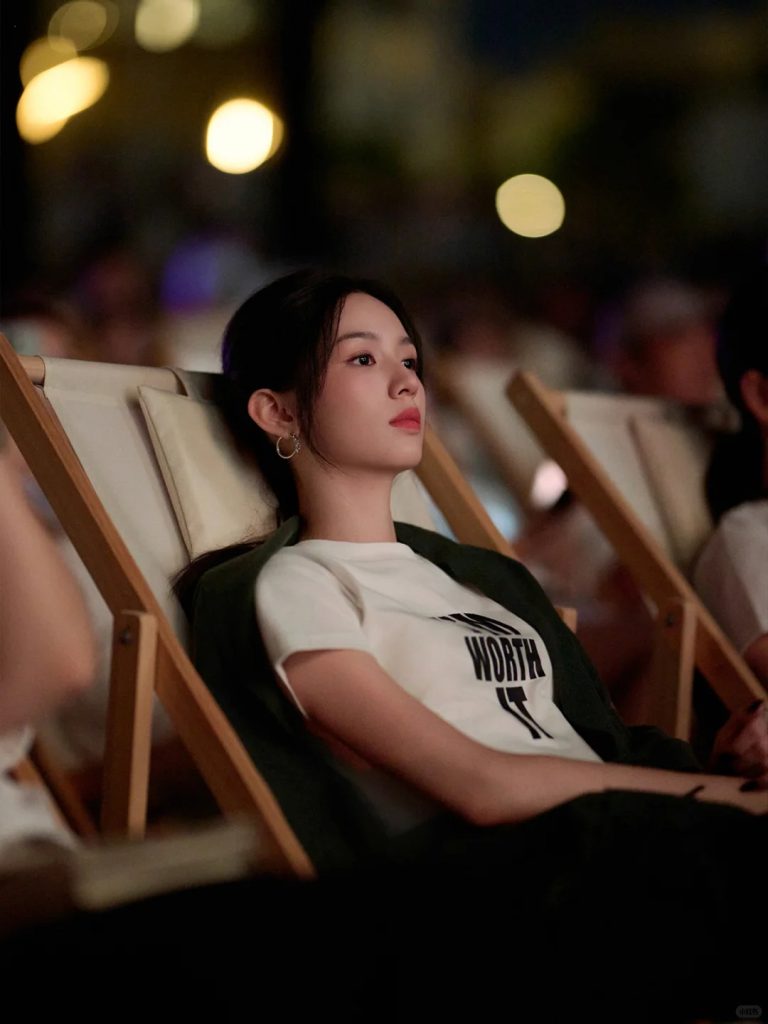
L’Oréal Paris’s recent campaign in China, titled “Because I’m Worth It” – 我值得拥有 (“wǒ zhí dé yōng yǒu”), marks a significant evolution of the iconic slogan, thoughtfully adapted to the Chinese cultural context. Launched during the Sea Waves Film Week, the campaign centered around the documentary The Final Copy of Ilon Specht (in Chinese 《只此一句,值此一生》, “One Sentence, One Lifetime”), dedicated to the American copywriter who created the original slogan in 1971. Directed by Oscar-winning filmmaker Ben Proudfoot, the film premiered in China on September 6, accompanied by a thematic forum featuring influential Chinese women.
A Universal Message Tailored to China’s Social Landscape
The campaign’s strength lies in its ability to adapt the message with empathy and respect, avoiding paternalistic tones. At a time of profound social transformation, it captured the growing desire for autonomy and recognition among Chinese women, speaking to them authentically through real stories, real faces, and relatable language.
Over the past two decades, China has seen significant growth in its urban middle class and a rising prominence of women in both the workforce and consumer culture. The campaign reflected this shift, offering a message of empowerment, confidence, and self-affirmation, perfectly aligned with the aspirations of a new generation of Chinese women.

The Role of Chinese Ambassadors and Influencers
The campaign’s ambassadors and influencers represent a blend of familiar faces and authentic figures who credibly and culturally embody the message of female empowerment.
Among the featured women:
Zhou Ye (周也), a rising actress and official makeup ambassador for L’Oréal Paris, beloved by Gen Z for her elegant and modern style.
Su Min (苏敏), known for her solo journey at age 50, who has become a symbol of freedom and female self-determination in China.
Meng Yingqi (孟颖琪), General Manager of L’Oréal Paris China, featured as the brand’s institutional voice and representative.
Ximen DaSao (原来是西门大嫂), a fashion content creator and influencer on Xiaohongshu, appreciated for her direct and witty tone that resonates with the everyday lives of female consumers.
Multichannel Strategy and Emotional Storytelling
The campaign was rolled out through short films, posters, and digital content distributed across WeChat, Weibo, Douyin, and Xiaohongshu. The use of emotionally charged short dramas brought the message closer to everyday life, transforming the slogan into a personal and shareable mantra.
In summary, the campaign succeeded by translating a universal message into culturally relevant language, capturing social shifts, celebrating female identity, and building an authentic connection between the brand and its consumers.
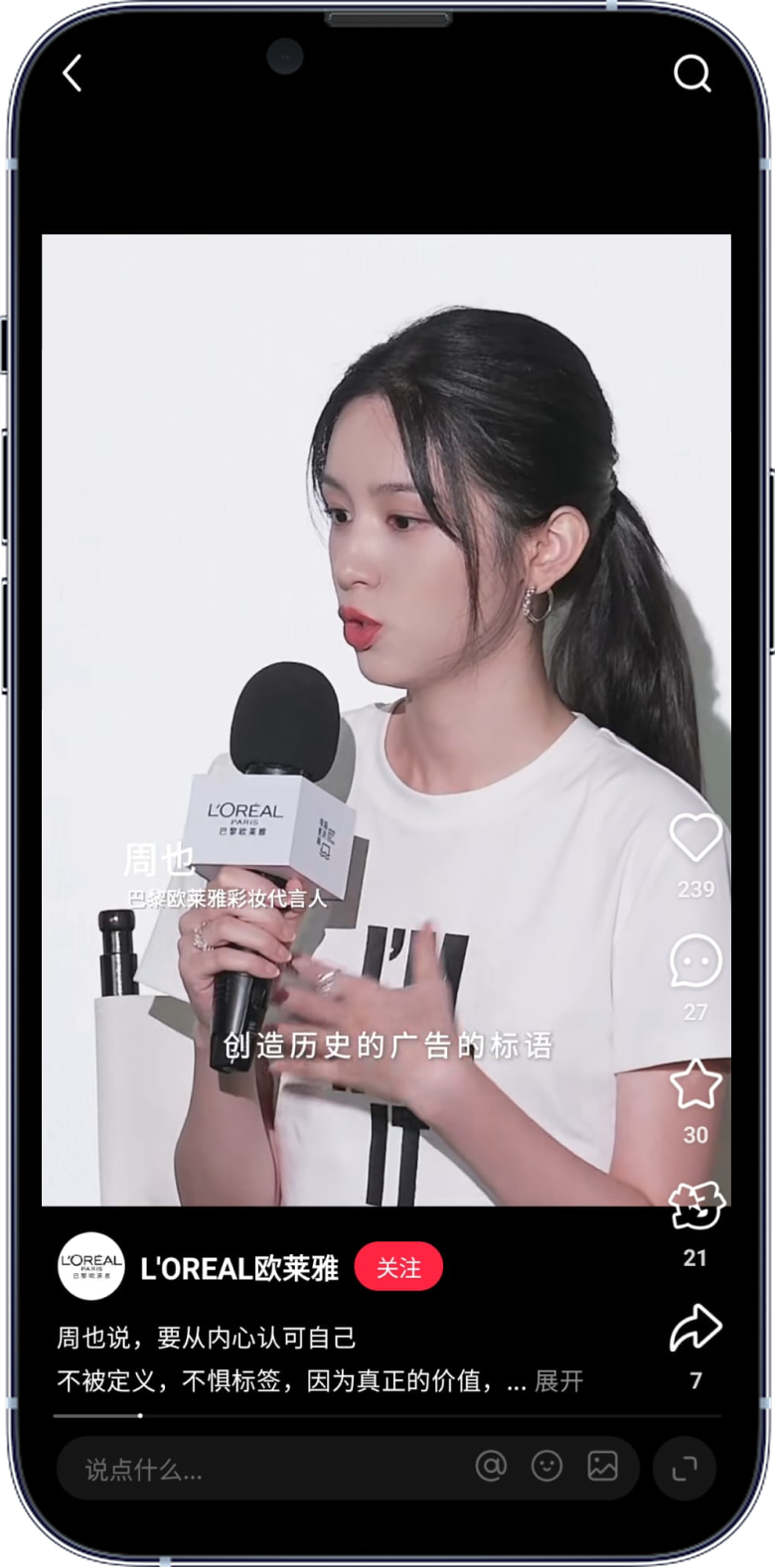
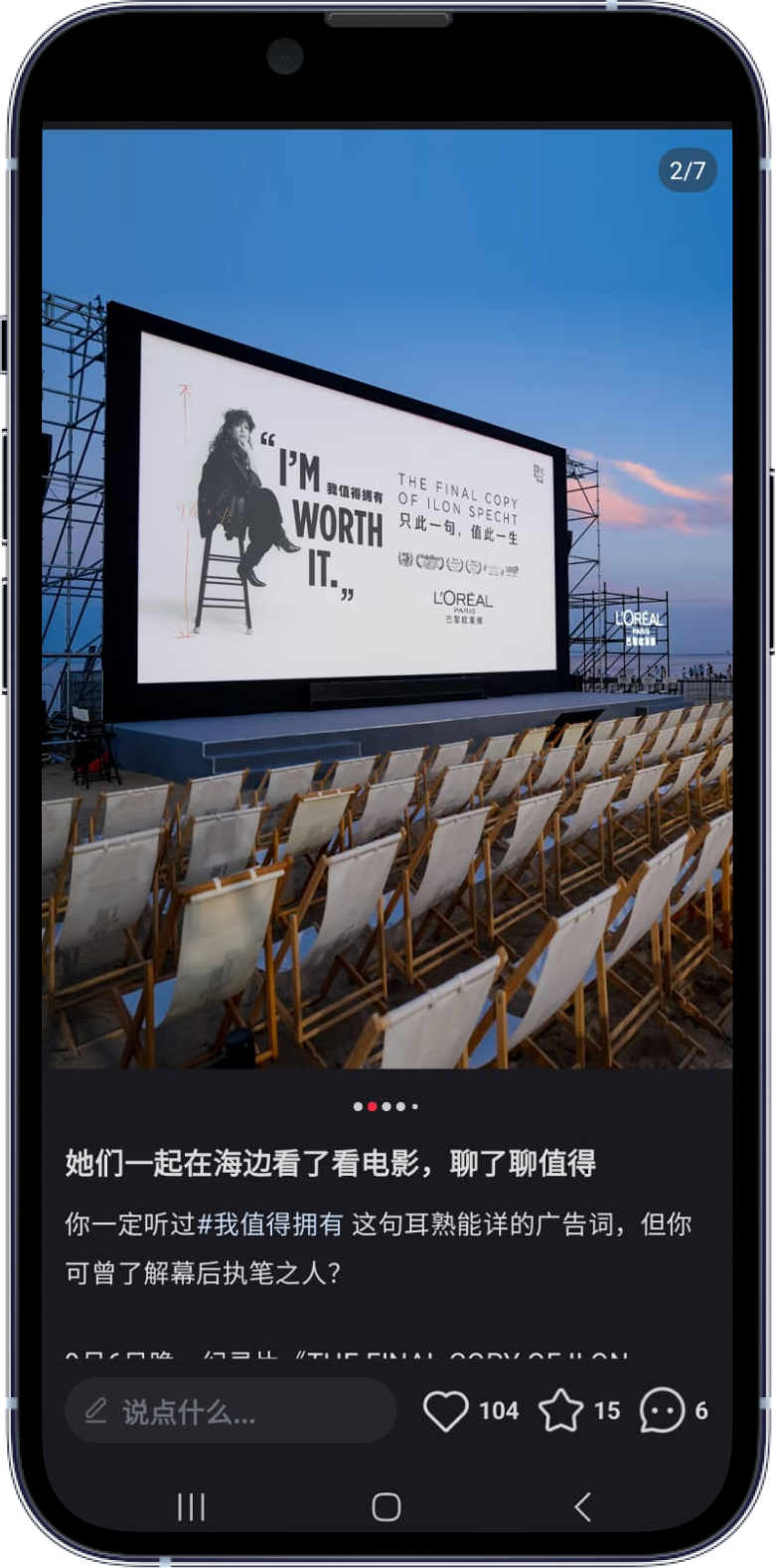
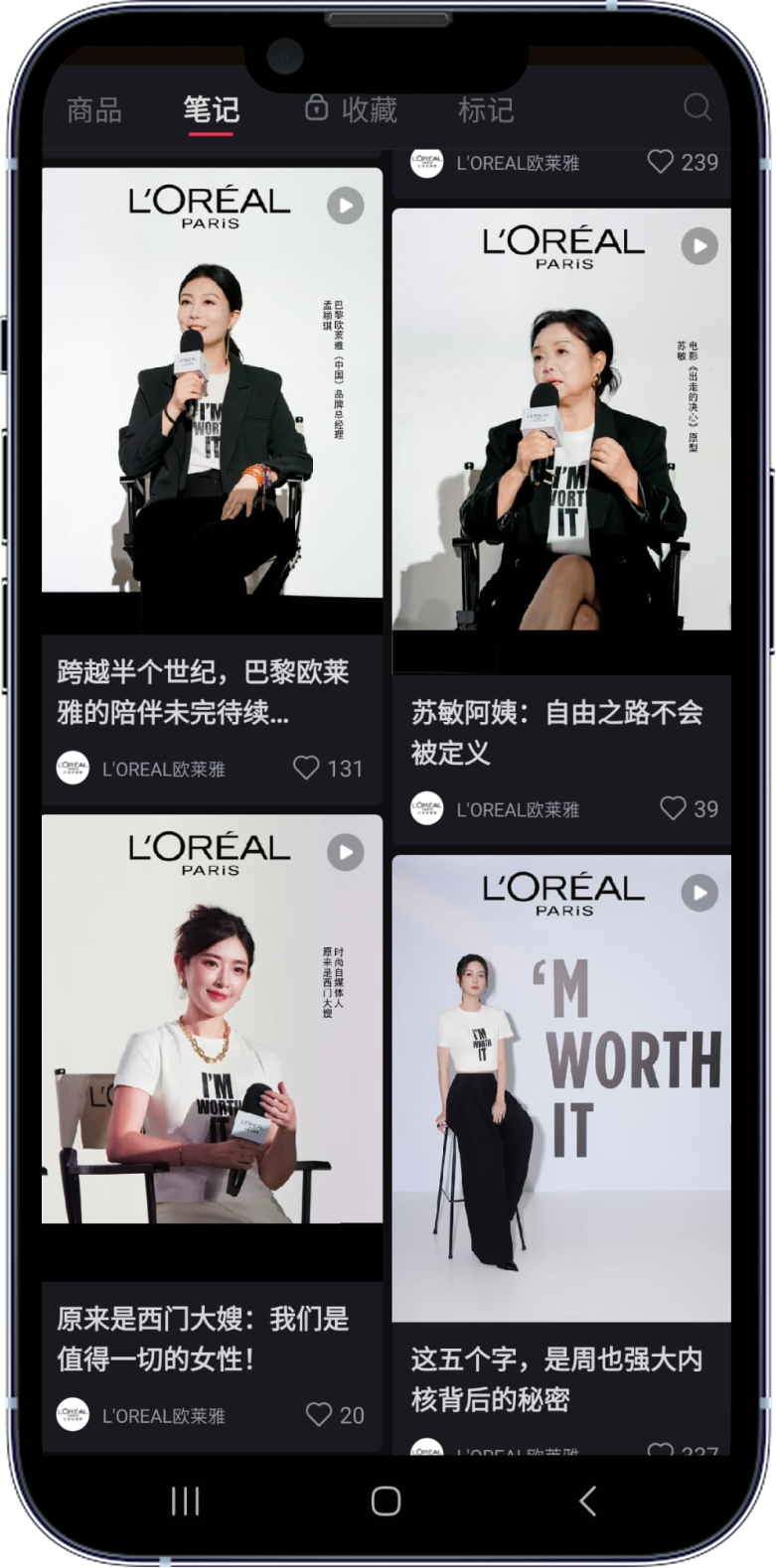
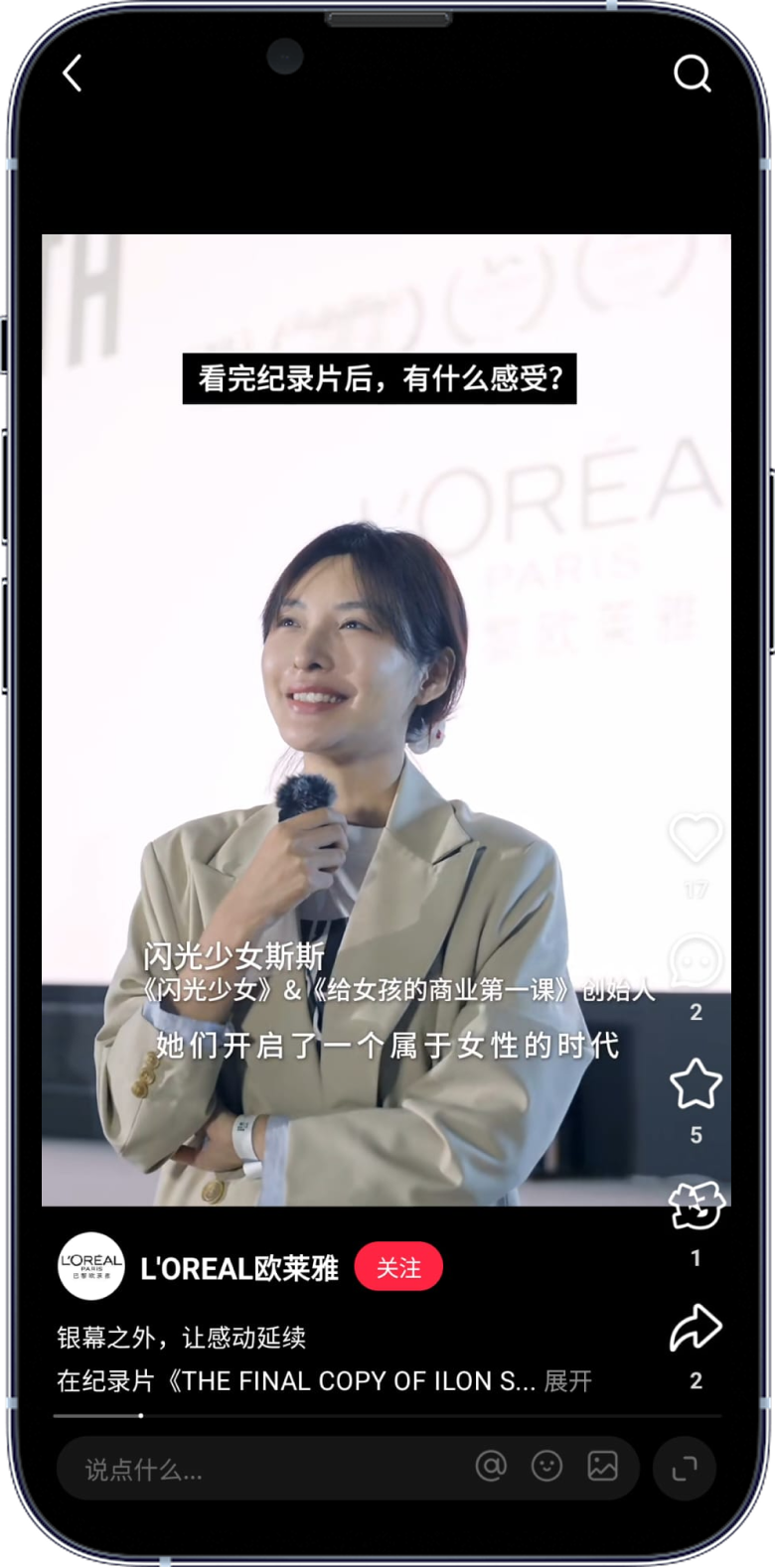
From L’Oréal’s “Because We’re Worth It” campaign.
When Cultural Insensitivity Becomes a Reputational Risk: The Arc’teryx Case
A concrete example of how overlooking cultural and social dynamics can be risky is the case of Arc’teryx. In September 2025, the Canadian technical apparel and outdoor gear brand sponsored a fireworks show on the Tibetan Plateau, designed by artist Cai Guo-Qiang. The event, held at over 5,500 meters above sea level near the Himalayas, aimed to celebrate the grandeur of nature and the brand’s identity. However, it was met with strong criticism on social media and in local press, particularly due to concerns about environmental impact in an already fragile ecosystem and perceived inconsistency with the brand’s own sustainability values.
The backlash prompted Chinese authorities to launch an investigation into the local administration and forced Arc’teryx to issue a public apology, acknowledging that the initiative conflicted with its principles and the expectations of its audience.
This episode highlights how a communication strategy that lacks full awareness of cultural and social sensitivities can lead to reputational damage, eroding long-standing trust and weakening the relationship with consumers.

A tailored content strategy is a winning strategy
Entering the Chinese market means rethinking your message in depth to connect with a sophisticated, culturally aware, and highly digital audience. In this context, a content strategy built around local specificities is not just an operational tool, it becomes the narrative thread that translates brand identity into an authentic, relevant story capable of generating lasting value.
Investing in a content strategy tailored for China means opening the door to one of the world’s largest, most dynamic, and competitive digital ecosystems.
To guide companies through this journey, Value China offers a Sino-Italian team specialized in communication, graphic design, and digital marketing, with deep expertise in the Chinese market and its unique dynamics.
From contextual analysis to defining strategic pillars, from multichannel editorial planning to the creation of culturally relevant and creative content, all the way to performance monitoring and continuous optimization, Value China’s support is designed to strengthen your brand’s digital positioning and build an authentic, lasting, and high-impact dialogue with the Chinese audience.